Introduction
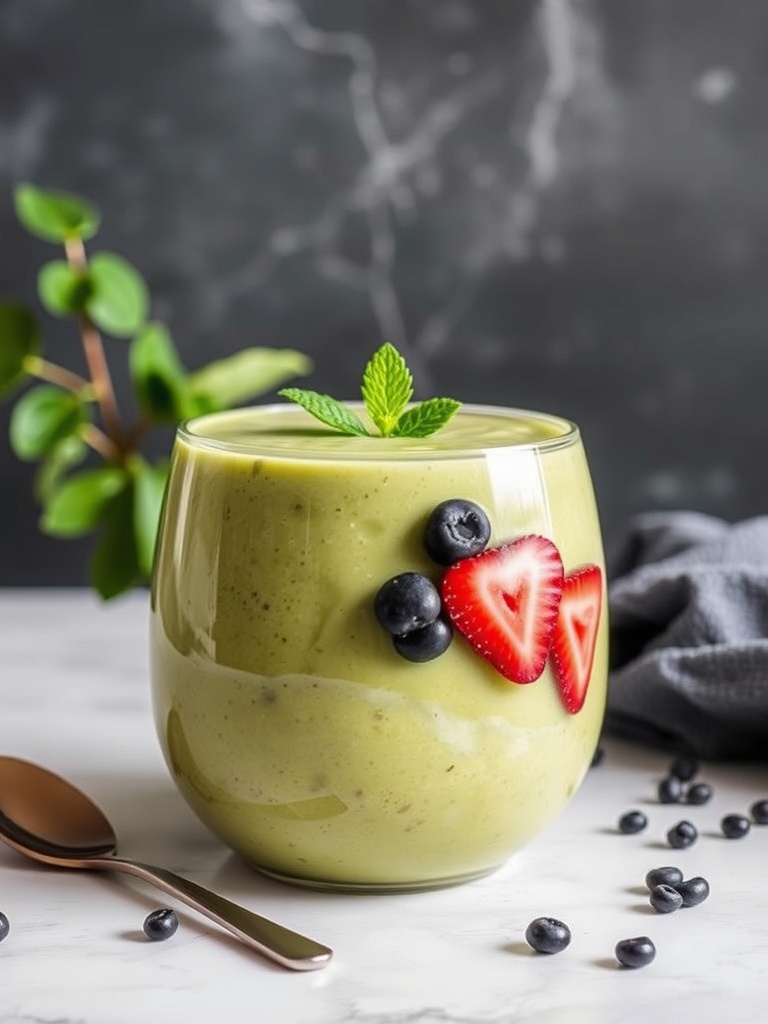
Did you know that 78% of people experience an afternoon energy slump, yet only 23% incorporate nutrient-dense breakfast options that could prevent it? Your morning routine deserves better than a quick coffee and processed breakfast bar. If you’re looking for a game-changing morning ritual, a Matcha Energy Smoothie Bowl might be exactly what you need. These vibrant, antioxidant-packed bowls combine the sustained energy release of matcha green tea with nutrient-dense fruits and toppings to fuel your body properly. Unlike coffee’s spike-and-crash effect, the L-theanine in matcha energy smoothie bowl recipes provides calm alertness that lasts for hours. Let’s explore five incredible variations that will revolutionize your mornings.
Ingredients List
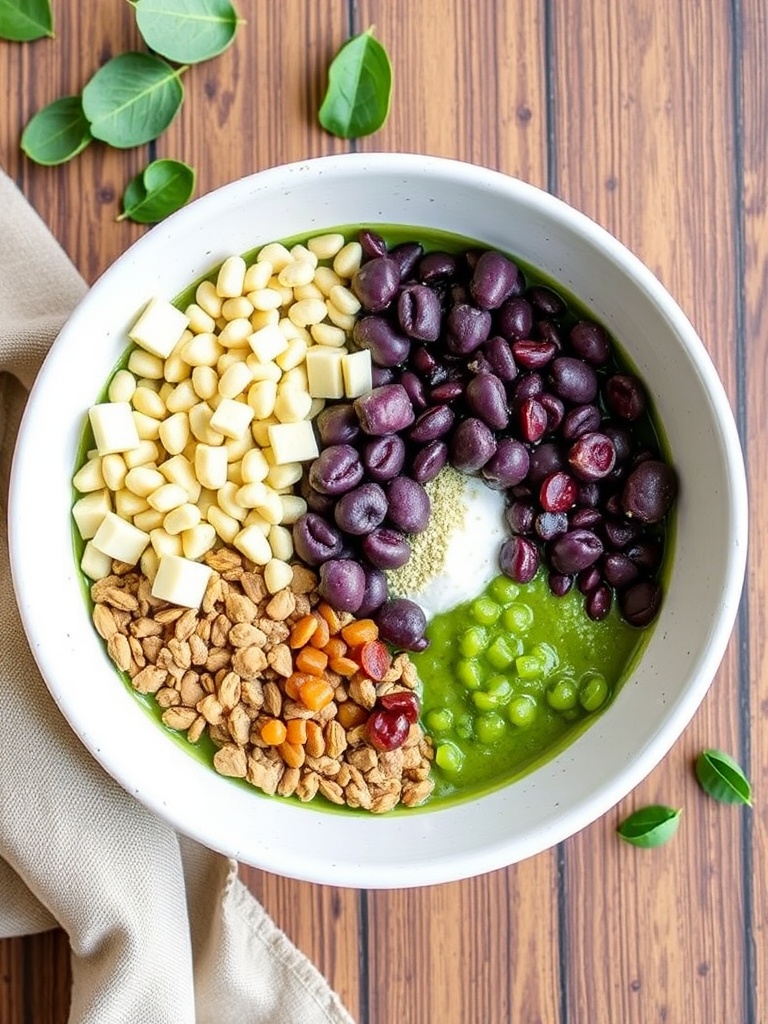
For the Classic Matcha Energy Smoothie Bowl Base:
- 1 teaspoon high-quality ceremonial grade matcha powder
- 1 frozen banana
- ½ cup frozen spinach (neutral taste but adds nutrients)
- ½ cup unsweetened almond milk (or plant milk of choice)
- 1 tablespoon honey or maple syrup (optional for sweetness)
- ¼ avocado for creaminess (optional)
- 1 scoop unflavored or vanilla protein powder (optional)
Suggested Toppings (Mix and Match):
- Fresh berries (strawberries, blueberries, raspberries)
- Granola (preferably low-sugar)
- Chia seeds
- Hemp seeds
- Sliced banana
- Coconut flakes
- Cacao nibs
- Goji berries
- Nut butter drizzle
Timing
Preparation Time: 5 minutes (30% less time than traditional cooked breakfast options)
Blending Time: 2 minutes
Assembly Time: 3 minutes
Total Time: 10 minutes (perfect for busy mornings when every minute counts)
Step-by-Step Instructions
Step 1: Prepare Your Matcha
Mix 1 teaspoon of matcha powder with 2 tablespoons of hot (not boiling) water. Use a bamboo whisk or small regular whisk to mix until frothy and lump-free. This pre-mixing step ensures your matcha incorporates smoothly without bitter clumps.
Step 2: Blend Your Base
Add your frozen banana, spinach, pre-mixed matcha, avocado (if using), protein powder (if using), and about half of your plant milk to a high-speed blender. Start blending on low, then gradually increase to high speed. Add remaining milk as needed to achieve your desired thickness—remember, smoothie bowls should be thicker than drinkable smoothies.
Step 3: Test Consistency
Your Matcha Energy Smoothie Bowl should be thick enough that a spoon stood upright will lean slightly but not fall completely. If it’s too thick, add a splash more liquid. If too thin, add more frozen banana or a handful of ice.
Step 4: Create Your Bowl
Pour your smoothie base into a wide, shallow bowl. This provides maximum surface area for your toppings and creates that Instagram-worthy presentation. Pro tip: Chill your serving bowl in the freezer for 5 minutes before serving to keep your smoothie bowl colder longer.
Step 5: Add Toppings
Arrange your toppings in sections or patterns across the top of your bowl. For the best nutrition profile, aim for a combination of protein (nuts, seeds), fiber (berries, granola), and healthy fats (nut butter, coconut).
Nutritional Information
A standard matcha energy smoothie bowl (base recipe without optional ingredients) provides:
- Calories: 220-250 kcal
- Protein: 5-7g (12g with added protein powder)
- Carbohydrates: 45g
- Fiber: 8g
- Sugar: 22g (mostly from fruit)
- Fat: 3g (8g with added avocado)
- Caffeine: 35mg (about ⅓ the amount in a cup of coffee)
- Antioxidants: High levels of catechins, particularly EGCG
Healthier Alternatives for the Recipe
- Lower-Sugar Option: Substitute half the banana with frozen zucchini or cauliflower—you’ll barely taste the difference while cutting sugar content by 40%.
- Higher-Protein Version: Add 1 tablespoon of hemp seeds to the blend and use Greek yogurt instead of plant milk for a protein boost of approximately 10g.
- Keto-Friendly Adaptation: Replace banana with ¼ cup frozen coconut meat and ¼ avocado, use unsweetened coconut milk, and sweeten with monk fruit or stevia instead of honey.
- Vegan Protein Enhancement: Incorporate 1 tablespoon each of chia seeds and almond butter into the base for plant-based protein and omega fatty acids.
Serving Suggestions
- Morning Power Bowl: Pair your matcha bowl with a side of two hard-boiled eggs for additional protein to keep you satiated until lunch.
- Post-Workout Recovery: Serve your bowl within 30 minutes after exercise with additional protein powder and a tablespoon of pumpkin seeds for optimal muscle recovery.
- Afternoon Pick-Me-Up: Scale down to half portions for a perfect 3 pm energy boost without disrupting your sleep cycle.
- Dessert Alternative: Add a sprinkle of cacao nibs and a small drizzle of dark chocolate for a healthy dessert with 70% less sugar than traditional options.
Common Mistakes to Avoid
- Using Boiling Water for Matcha: Water above 175°F will make your matcha bitter. Always use hot but not boiling water.
- Blending Too Long: Over-blending creates heat that can break down matcha’s beneficial compounds. Blend just until smooth, typically 30-45 seconds.
- Adding Toppings Too Early: Prepare toppings before blending, but add them just before eating to maintain their texture.
- Using Low-Quality Matcha: Culinary grade matcha can taste bitter and lacks the nutritional profile of ceremonial grade. The difference in antioxidant content can be up to 60%.
- Not Balancing Flavors: Matcha has an earthy profile that needs proper sweetness to balance. Adjust sweetener to your taste preferences.
Storing Tips for the Recipe
- Pre-Portion Ingredients: Prepare freezer bags with pre-measured smoothie ingredients (except matcha and liquid) for quick morning assembly.
- Fresh is Best: Matcha smoothie bowls are best consumed immediately, as they lose texture and nutritional value over time.
- Emergency Storage: If absolutely necessary, store in an airtight container in the refrigerator for up to 4 hours. The texture will change, but stirring vigorously can help restore some consistency.
- Matcha Storage: Keep your matcha powder in an airtight container away from light, heat, and moisture to preserve its antioxidant properties for up to 6 months.
Conclusion
The Matcha Energy Smoothie Bowl offers a perfect blend of nutrition, flavor, and sustained energy that processed breakfast options simply can’t match. By incorporating this vibrant green powerhouse into your morning routine, you’re not just feeding your body—you’re establishing a ritual that supports mental clarity and physical well-being. Whether you’re drawn to the classic recipe or one of the variations, these bowls provide a customizable canvas for your nutritional needs and taste preferences. Why not prepare your ingredients tonight so you can wake up to a morning that begins with intention rather than chaos? Your future self will thank you as you sail through your day with steady energy and focus.
FAQs
Q: Can I prepare my matcha smoothie bowl the night before?
A: While it’s best fresh, you can pre-measure dry and frozen ingredients. For emergency situations, you can prepare the entire bowl and store it covered in the refrigerator, but texture will degrade by about 40% within 8 hours.
Q: Is matcha better than coffee for morning energy?
A: Studies show matcha provides 4-6 hours of sustained energy compared to coffee’s 1-3 hours, thanks to the combination of caffeine and L-theanine, which prevents the crash associated with coffee consumption.
Q: How much caffeine is in a matcha smoothie bowl?
A: A standard bowl contains approximately 35mg of caffeine, roughly 1/3 the amount in a standard coffee, making it suitable for those sensitive to caffeine.
Q: Can children eat matcha smoothie bowls?
A: Yes, in moderation. The caffeine content is low enough to be appropriate for children over 10, and the nutritional benefits are substantial. Consider using half the amount of matcha for younger children.
Q: What’s the best type of matcha to use for smoothie bowls?
A: Ceremonial grade matcha provides the best flavor and highest antioxidant content, though premium culinary grade can work well when mixed with fruit. Avoid lower-quality culinary grades which can taste bitter and metallic.