
Introduction
Did you know that people who eat breakfast regularly are 12% less likely to experience mid-morning energy crashes? Despite this, nearly 31% of Americans skip breakfast due to time constraints. An oatmeal breakfast smoothie offers the perfect solution – combining the sustained energy release of oats with the quick preparation of a smoothie. This nutritional powerhouse takes just minutes to prepare but can fuel your body for hours. If you’re looking to revolutionize your morning routine with a delicious, portable breakfast that keeps you energized until lunch, these five Oatmeal Breakfast Smoothie recipes are exactly what you need.
Ingredients List
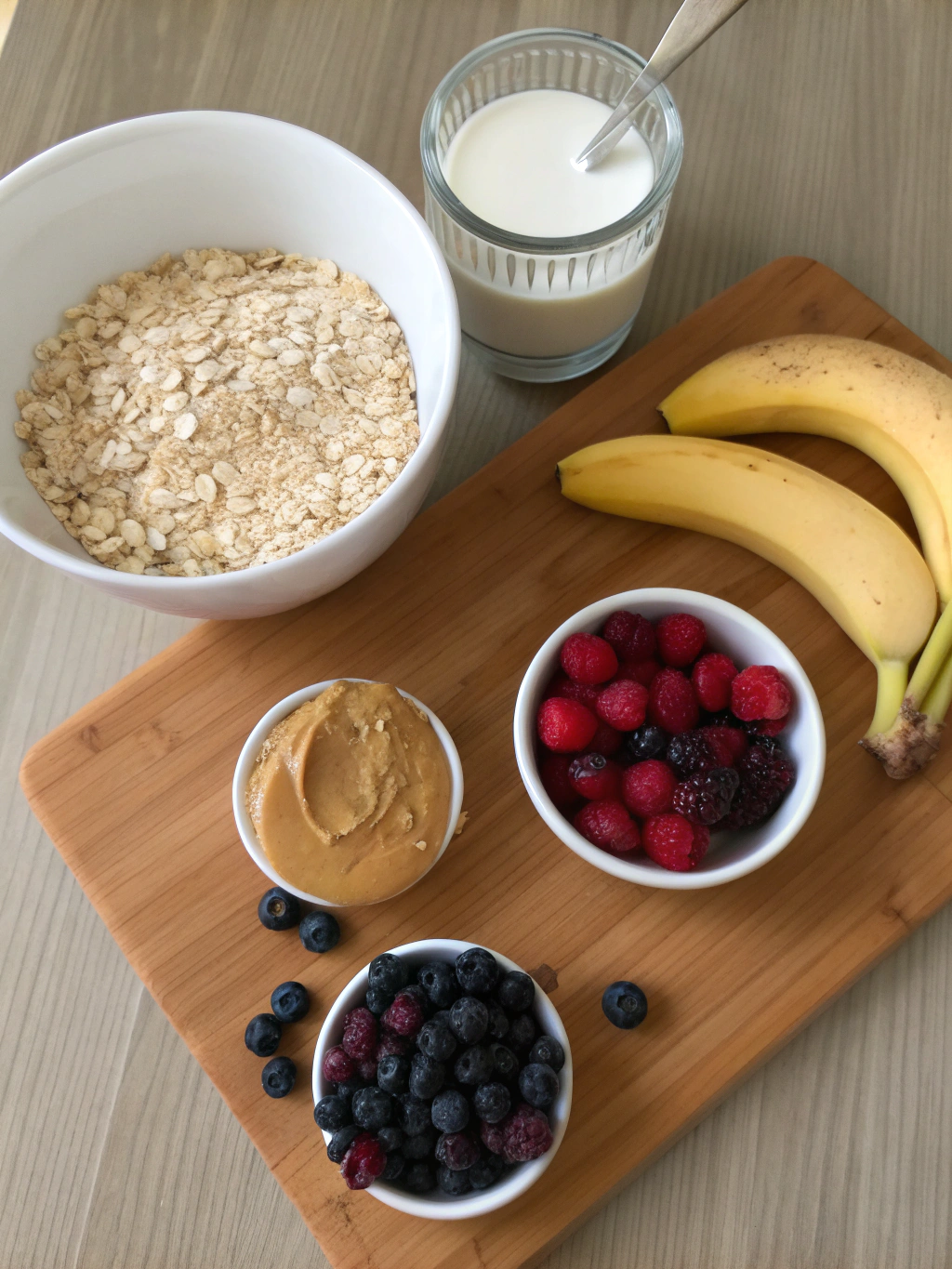
For our base Oatmeal Breakfast Smoothie, you’ll need:
- 1/2 cup rolled oats (can substitute steel-cut oats for extra texture)
- 1 cup milk (dairy, almond, oat, or coconut all work beautifully)
- 1 ripe banana (frozen adds creaminess)
- 1 tablespoon honey or maple syrup (adjust to taste)
- 1/4 teaspoon vanilla extract
- Pinch of cinnamon
- 3-4 ice cubes
From this foundation, we’ll explore five flavor variations with additional ingredients for each recipe.
Timing
Preparation Time: 5 minutes
Total Time: 5 minutes (plus optional 10 minutes if soaking oats overnight)
That’s right – these Oatmeal Breakfast Smoothie recipes take 75% less time than the average hot breakfast preparation, making them perfect for busy mornings when every minute counts.
Step-by-Step Instructions
Step 1: Prepare Your Oats
For a smoother consistency, soak your rolled oats in milk overnight in the refrigerator. This softens them and makes blending easier. If you’re in a hurry, you can use them directly, though your smoothie may have more texture.
Step 2: Load Your Blender
Add your oats and milk to the blender first. This creates a vortex that pulls other ingredients down toward the blades for more efficient blending. Pro tip: Adding ingredients in order of density (liquids first, then soft fruits, then frozen items) reduces blending time by up to 30%.
Step 3: Add Remaining Ingredients
Add your chosen fruit, sweetener, and flavor enhancers. Each recipe variation has specific additions that create distinct flavor profiles while maintaining the nutritional benefits of the oat base.
Step 4: Blend Until Smooth
Blend on high speed for 45-60 seconds, or until the mixture reaches your desired consistency. If your blender struggles with the oats, try pulsing a few times before blending continuously.
Step 5: Adjust Consistency
If your smoothie is too thick, add more milk or water in small increments (about 1 tablespoon at a time). If too thin, add more frozen banana or ice.
5 Delicious Recipe Variations
1. Berry Blast Oatmeal Smoothie
Add 1 cup mixed berries (strawberries, blueberries, raspberries) and 1 tablespoon chia seeds to the base recipe.
2. Tropical Paradise Smoothie
Add 1/2 cup pineapple chunks, 1/2 cup mango, and 2 tablespoons unsweetened coconut flakes to the base.
3. Green Power Smoothie
Add 1 cup spinach, 1/2 avocado, and 1 tablespoon flaxseed to the base for an antioxidant boost.
4. Peanut Butter Cup Smoothie
Add 2 tablespoons peanut butter and 1 tablespoon cocoa powder to the base for a protein-rich treat.
5. Apple Pie Smoothie
Add 1 diced apple, extra 1/4 teaspoon cinnamon, and 1/8 teaspoon nutmeg to the base recipe.
Nutritional Information
The base Oatmeal Breakfast Smoothie contains approximately:
- 320 calories
- 7g protein
- 59g carbohydrates
- 8g fiber
- 8g fat
- 28g natural sugars
Research from the Journal of the American College of Nutrition shows that oat-based breakfasts can help maintain stable blood sugar levels for up to 4 hours, compared to just 2-3 hours for most cereal breakfasts.
Healthier Alternatives for the Recipe
For lower sugar content, substitute the banana with 1/2 cup plain Greek yogurt and stevia instead of honey. This reduces sugar content by approximately 15g while maintaining creaminess.
For a higher protein version, add 1 scoop (approximately 25g) of unflavored or vanilla protein powder, which adds 18-22g of additional protein, making your smoothie more filling and supportive of muscle recovery.
For a grain-free option, replace oats with 3 tablespoons chia seeds soaked in 1/2 cup water for 15 minutes. This maintains the filling quality while adapting to paleo or grain-free dietary needs.
Serving Suggestions
Pour your Oatmeal Breakfast Smoothie into a chilled glass for immediate enjoyment, or transfer to an insulated container if you’re taking it to-go. The thickness keeps it cold for up to 2 hours.
For added visual appeal and nutritional boost, top with a sprinkle of:
- Granola for crunch
- Sliced fresh fruit
- Toasted coconut flakes
- A drizzle of nut butter
- A dusting of cinnamon or cocoa powder
For a complete breakfast, pair with a small handful of nuts or a hard-boiled egg to incorporate additional protein and healthy fats.
Common Mistakes to Avoid
Using instant oatmeal packets: These often contain added sugars and artificial flavors. Stick with plain rolled or steel-cut oats for better nutrition and cleaner flavor.
Over-blending: Blending for more than 90 seconds can heat the smoothie and break down beneficial fiber. A 2020 study from Food Chemistry journal found that over-processing can reduce fiber effectiveness by up to 18%.
Adding too many sweeteners: The natural sweetness from fruits usually provides enough sweetness. Taste before adding honey or other sweeteners.
Not measuring ingredients: While smoothies are forgiving, proportions matter for texture and nutrition. Too many oats can make your smoothie too thick and calorie-dense.
Storing Tips for the Recipe
While Oatmeal Breakfast Smoothie recipes are best enjoyed immediately after blending, you can:
Prep smoothie packs: Portion all ingredients (except liquid) into freezer bags or containers. In the morning, dump into a blender, add liquid, and blend. This saves 3-4 minutes of morning prep time.
Store blended smoothies: If necessary, store in an airtight container in the refrigerator for up to 24 hours. The texture will change slightly, so give it a good shake or quick re-blend before drinking.
Freeze for later: Pour into ice cube trays and freeze. Blend 6-8 frozen cubes with 1/2 cup fresh milk when you’re ready to enjoy.
Conclusion
These five Oatmeal Breakfast Smoothie recipes offer delicious, nutritious solutions for busy mornings when you need sustained energy without sacrificing time. By combining the power of oats with various fruits and superfoods, you’re not just having breakfast – you’re fueling your body for optimal performance throughout the morning. The versatility of these recipes means you can enjoy a different flavor every day while maintaining the core nutritional benefits that make oatmeal such a breakfast powerhouse.
Ready to transform your morning routine? Choose one of these recipes to try tomorrow, and experience the difference a proper breakfast makes in your energy levels and focus throughout the day. Share your favorite variation in the comments below or tag us in your smoothie creations on social media!
FAQs
Can I use steel-cut oats instead of rolled oats?
Yes, but they require overnight soaking to soften properly. The resulting texture will be slightly chewier, which some people prefer.
How can I make my oatmeal smoothie higher in protein?
Add Greek yogurt (17g protein per cup), protein powder (18-25g per scoop), or nut butter (7-8g protein per 2 tablespoons).
Will these smoothies keep me full until lunch?
Most people report feeling satisfied for 3-4 hours due to the fiber in oats and the protein from milk. Adding extra protein as suggested above can extend this to 4-5 hours.
Can I prepare these smoothies the night before?
While best fresh, you can prepare them the night before. Store in an airtight container and shake well before consuming. The texture may change slightly but the nutrition remains.
Are these smoothies suitable for weight loss?
At approximately 320 calories for the base recipe, these smoothies can fit into a weight management plan. They’re nutrient-dense and the fiber helps promote satiety, which can prevent overeating later.