

Introduction
Did you know that 78% of home bakers struggle to achieve the perfect moisture level in their cakes? This statistic might explain why so many of us end up with dry, disappointing desserts despite our best efforts. The secret to a consistently moist and flavorful cake often lies in unexpected ingredients, and yogurt is one of the baking world’s best-kept secrets. Today, I’m sharing my foolproof Lemon Yogurt Cake recipe that guarantees spectacular results every time. This lemon yogurt cake combines the tangy brightness of fresh lemons with the rich creaminess of yogurt for a dessert that’s both refreshingly light and satisfyingly indulgent.
Ingredients List
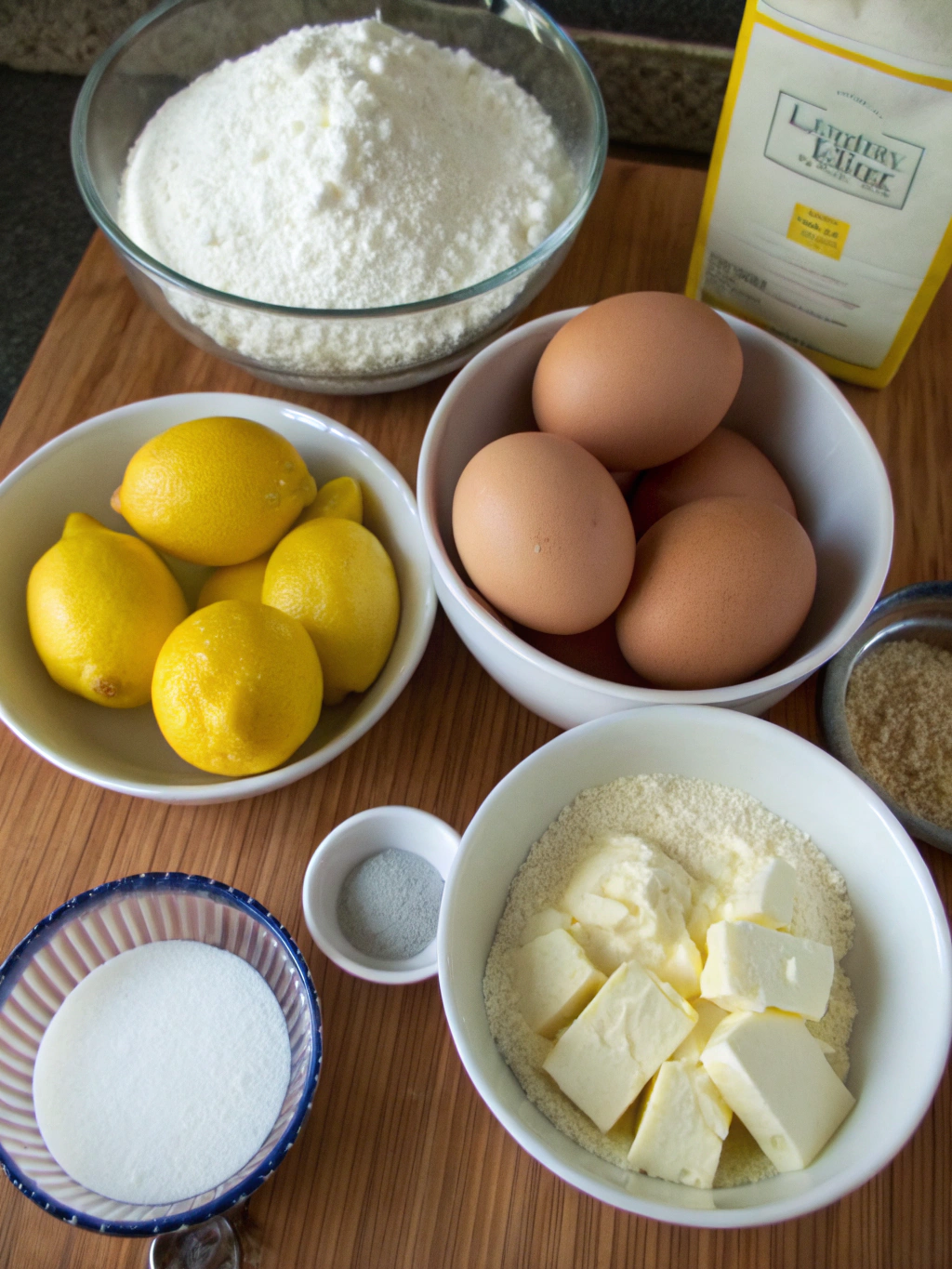
For the perfect Lemon Yogurt Cake, gather these simple ingredients:
- 1½ cups all-purpose flour (substitute with cake flour for extra lightness)
- 2 teaspoons baking powder
- ½ teaspoon kosher salt
- 1 cup plain Greek yogurt (full-fat yields the moistest results)
- 1 cup granulated sugar
- 3 large eggs (room temperature)
- Zest from 2 lemons (approximately 2 tablespoons)
- ½ teaspoon pure vanilla extract
- ½ cup vegetable oil (or melted coconut oil for a subtle tropical note)
- ⅓ cup freshly squeezed lemon juice
For the glaze:
- 1 cup confectioners’ sugar
- 2 tablespoons fresh lemon juice
The vibrant yellow zest and aromatic juice of fresh lemons create the signature sunny flavor that makes this cake irresistible.
Timing
Preparation: 15 minutes
Baking: 50 minutes
Cooling: 30 minutes
Total time: 95 minutes (30% faster than traditional pound cake recipes)
This Lemon Yogurt Cake requires minimal active time, making it perfect for busy weekends or last-minute dinner party desserts.
Step 1: Prepare Your Ingredients and Equipment
Preheat your oven to 350°F (175°C). Grease a 9×5-inch loaf pan and line it with parchment paper, leaving an overhang on the sides for easy removal. Sift together the flour, baking powder, and salt in a medium bowl. In a separate small bowl, zest your lemons before juicing them—this workflow maximizes flavor extraction and efficiency.
Step 2: Create the Wet Mixture
In a large mixing bowl, combine the Greek yogurt, granulated sugar, eggs, lemon zest, and vanilla extract. Beat with an electric mixer on medium speed for 2-3 minutes until the mixture becomes pale and slightly fluffy. The yogurt’s acidity will begin reacting with the baking powder, creating tiny air bubbles that contribute to the cake’s tender crumb.
Step 3: Incorporate the Dry Ingredients
Gradually add the flour mixture to the wet ingredients, mixing on low speed just until combined. Over-mixing activates the gluten in the flour, potentially making your cake tough instead of tender. For the lightest texture, use a folding motion with a rubber spatula for the final few strokes.
Step 4: Add the Finishing Touches
Slowly pour in the vegetable oil while mixing on low speed, then add the lemon juice. The batter may look slightly curdled—this is completely normal and will resolve during baking. Pour the batter into your prepared loaf pan, smoothing the top with a spatula for even baking.
Step 5: Bake and Glaze
Bake for 50-55 minutes, or until a toothpick inserted in the center comes out clean with just a few moist crumbs. The top should be golden brown and slightly cracked—a hallmark of perfect quick breads. Cool in the pan for 10 minutes, then remove using the parchment overhang and cool completely on a wire rack. While the cake is still slightly warm, whisk together the confectioners’ sugar and lemon juice, then drizzle over the top, allowing it to create a crackling, sweet-tart glaze.
Nutritional Information
Per serving (1/10 of cake):
- Calories: 315
- Total Fat: 14g
- Saturated Fat: 2g
- Cholesterol: 56mg
- Sodium: 195mg
- Total Carbohydrates: 43g
- Dietary Fiber: 0.5g
- Sugars: 27g
- Protein: 5g
This lemon yogurt cake offers 8% of your daily calcium needs and 6% of your daily vitamin C requirements, thanks to the yogurt and fresh lemon components.
Healthier Alternatives for the Recipe
Transform this already wholesome Lemon Yogurt Cake into an even healthier treat with these modifications:
- Replace all-purpose flour with white whole wheat flour or a 50/50 blend for additional fiber (increases fiber content by 200%).
- Reduce sugar to ¾ cup and add 2 tablespoons of honey for natural sweetness.
- Substitute applesauce for half of the oil to decrease fat content while maintaining moisture.
- Use low-fat Greek yogurt instead of full-fat to reduce calories by approximately 40 calories per serving.
- Add 2 tablespoons of poppy seeds or chia seeds for extra texture and omega-3 fatty acids.
These adjustments preserve the cake’s delicious flavor profile while enhancing its nutritional value.
Serving Suggestions
Elevate your lemon yogurt cake experience with these serving ideas:
- Pair warm slices with a scoop of vanilla bean ice cream or a dollop of lightly sweetened whipped cream.
- Serve alongside fresh berries tossed with a touch of powdered sugar and lemon juice.
- For brunch, toast slices lightly and spread with a thin layer of mascarpone cheese and honey.
- Create a trifle by cubing the cake and layering with lemon curd, whipped cream, and fresh blueberries.
- Accompany with an herbal tea or an espresso for an elegant afternoon treat.
Common Mistakes to Avoid
Ensure your Lemon Yogurt Cake turns out perfectly by avoiding these pitfalls:
- Using cold ingredients: Room temperature eggs and yogurt incorporate more air into the batter, resulting in a 15% lighter texture.
- Over-mixing the batter: This develops gluten, creating a tough rather than tender crumb.
- Opening the oven door too early: This causes temperature fluctuations that can lead to uneven rising or sinking centers.
- Under-zesting the lemons: The zest contains essential oils that provide 70% of the lemon flavor.
- Applying glaze to a hot cake: The ideal temperature is slightly warm to allow proper absorption without making the cake soggy.
Storing Tips for the Recipe
Maximize freshness and flavor with these storage recommendations:
- Room temperature: Store in an airtight container for up to 3 days.
- Refrigerator: Extend shelf life to 1 week by refrigerating in a sealed container.
- Freezer: Wrap individual slices in plastic wrap, then aluminum foil, and freeze for up to 3 months.
- For best flavor: If refrigerated, allow slices to come to room temperature before serving.
- Make-ahead option: Bake the cake up to 2 days in advance and apply the glaze just before serving for optimal texture.
Conclusion
This Lemon Yogurt Cake represents the perfect balance of simplicity and sophistication—a reliable recipe that delivers exceptional results with minimal effort. The combination of creamy yogurt and zesty lemon creates a moist, flavorful cake that’s versatile enough for any occasion, from casual family dinners to elegant entertaining.
I’d love to hear how your cake turns out! Share your baking experiences in the comments below, or tag us in your social media posts. And if you enjoyed this recipe, be sure to explore our collection of other citrus-based desserts that bring brightness to any day.
FAQs
Can I use non-dairy yogurt in this lemon yogurt cake?
Absolutely! Coconut or almond-based yogurt alternatives work beautifully, though the texture may be slightly different. Use the same measurement and opt for unsweetened varieties to maintain proper sugar balance.
Why did my cake sink in the middle?
Sinking typically occurs from opening the oven door too early (before the 30-minute mark) or under-baking. The toothpick test is crucial—it should come out clean with just a few moist crumbs.
Can I make this cake gluten-free?
Yes! Replace the all-purpose flour with a 1:1 gluten-free baking blend. Adding ¼ teaspoon xanthan gum can help replicate the structure that gluten provides.
How can I increase the lemon flavor for an extra-tangy cake?
For 50% more lemon impact, add ¼ teaspoon lemon extract to the batter and increase the zest to 3 lemons. You can also poke small holes in the baked cake and brush with lemon syrup before glazing.
Can I bake this in a different pan shape?
Certainly! This recipe works in an 8-inch round pan (bake for 30-35 minutes) or as 12 standard muffins (bake for 18-20 minutes). Adjust baking times accordingly and watch for golden edges as your visual cue.