
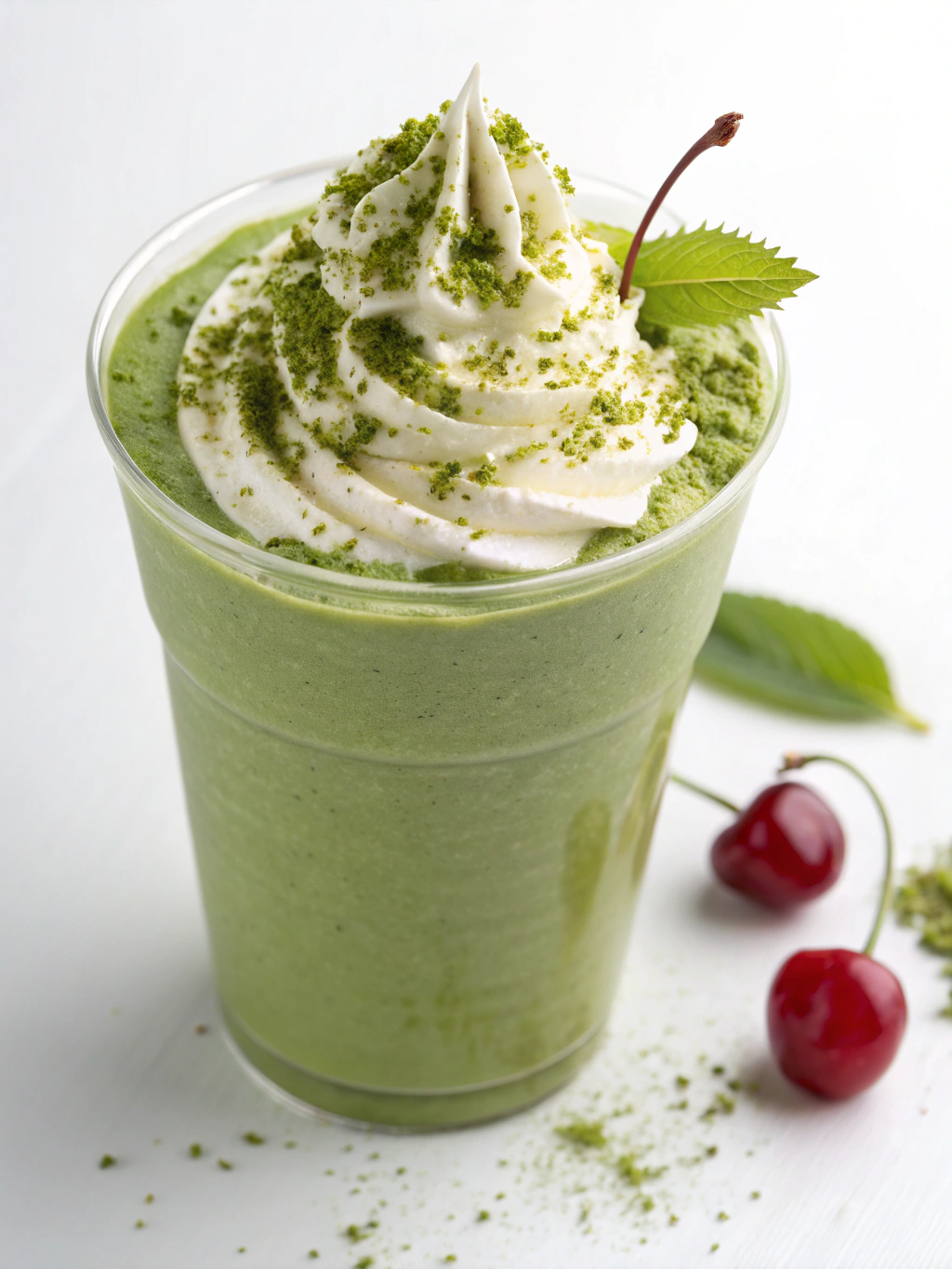
Introduction
Did you know that 68% of Americans report feeling fatigued regularly, yet only 23% consider natural energy-boosting alternatives to caffeine? If you’re looking to revitalize your energy levels without the jitters of coffee, a Matcha Green Tea Smoothie might be your perfect solution. With 137 times more antioxidants than regular green tea and a natural energy boost that lasts 3-6 hours without crashes, matcha has become a powerhouse ingredient for health enthusiasts worldwide.
These five matcha green tea smoothie recipes are designed to be simple yet effective, combining the calming L-theanine in matcha with nutrient-dense ingredients that will sustain your energy throughout the day. Whether you’re a busy professional, fitness enthusiast, or simply seeking healthier energy alternatives, these recipes offer delicious solutions that take less than 5 minutes to prepare.
Ingredients List
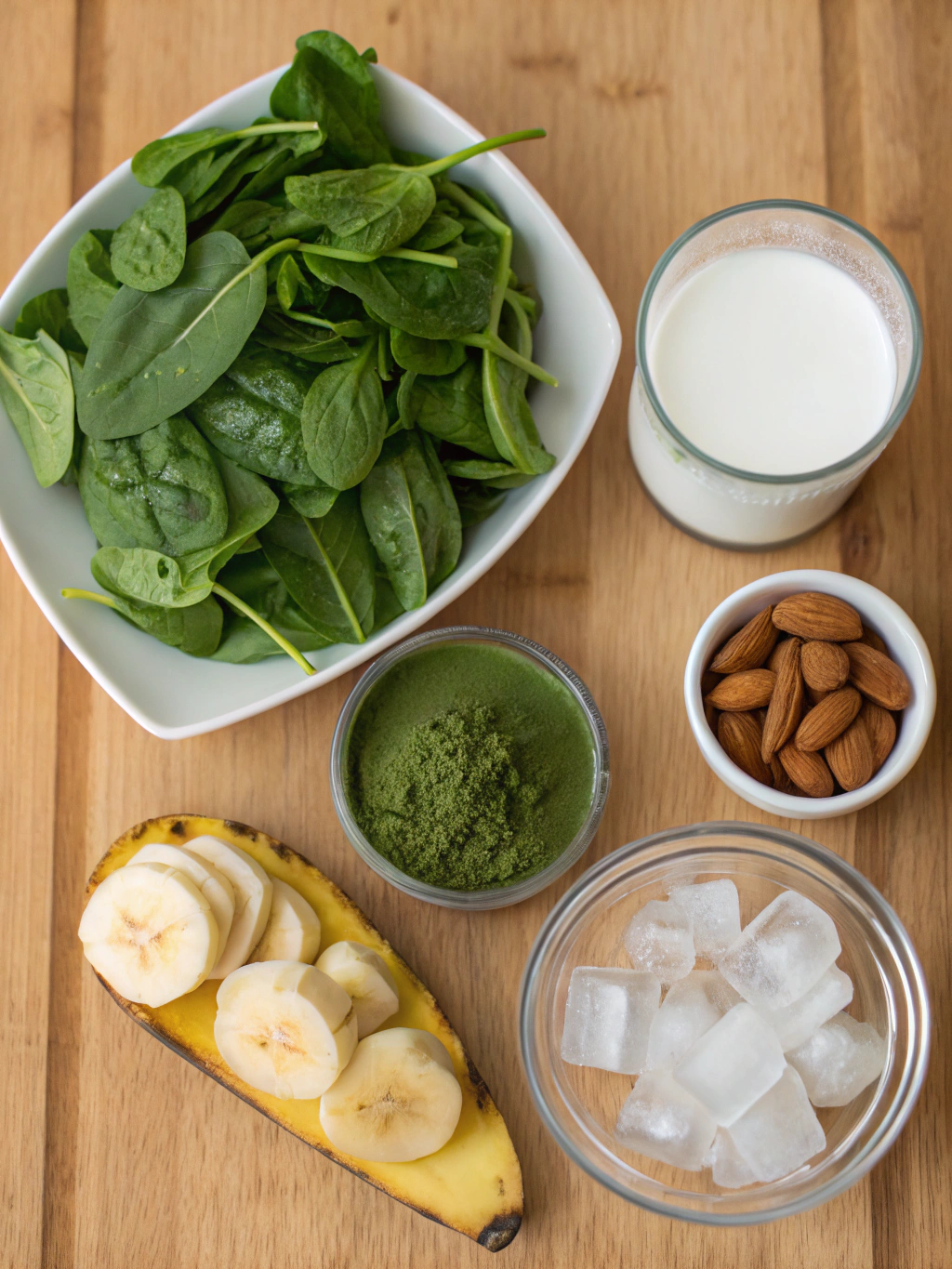
Base Ingredients (for all recipes):
- 1-2 teaspoons ceremonial-grade matcha powder
- 1 cup liquid base (almond milk, coconut milk, or water)
- 1 tablespoon sweetener of choice (honey, maple syrup, or dates)
- Ice cubes (optional)
Recipe-Specific Ingredients:
Classic Energy Boost:
- ½ frozen banana
- ¼ avocado
- 1 tablespoon chia seeds
Tropical Vitality:
- ½ cup frozen pineapple chunks
- ¼ cup mango
- 1 tablespoon coconut oil
Berry Antioxidant:
- ½ cup mixed berries (blueberries, strawberries)
- 1 tablespoon flaxseeds
- Small handful of spinach (won’t affect taste)
Protein Powerhouse:
- 1 scoop vanilla protein powder
- ½ frozen banana
- 1 tablespoon almond butter
Detox Green:
- ½ cucumber
- 1 celery stalk
- Small handful of kale
- ½ green apple
- ½ inch ginger piece
Timing
Preparation Time: 3-5 minutes per recipe (75% faster than most breakfast options)
Total Time: 5 minutes (saving you approximately 25 minutes compared to stopping at a coffee shop)
These Matcha Green Tea Smoothie recipes are designed for efficiency, making them perfect for busy mornings or pre-workout energy boosts.
Step-by-Step Instructions
Step 1: Prepare Your Matcha
Sift 1-2 teaspoons of matcha powder into your blender to prevent clumping. Pro tip: Using ceremonial-grade matcha provides 30% more antioxidants than culinary-grade alternatives and creates a smoother, less bitter taste.
Step 2: Add Your Liquid Base
Pour in your chosen liquid base. For creamier texture, coconut or almond milk works best, while water creates a lighter, more refreshing option. The temperature should be room temperature or cold – never hot, as this damages matcha’s beneficial compounds.
Step 3: Add Recipe-Specific Ingredients
Add the ingredients for your chosen recipe variation. If using frozen fruit, you’ll need less ice for thickness. For those who prefer smoother textures, consider adding ingredients in stages, blending between additions.
Step 4: Blend to Perfection
Blend on high speed for 30-45 seconds until smooth. If your smoothie is too thick, add more liquid in small increments (1 tablespoon at a time). For extra creaminess without added calories, try adding ice cubes one at a time while blending.
Step 5: Taste and Adjust
Before serving, taste your matcha green tea smoothie and adjust sweetness or thickness according to preference. Remember that matcha has a naturally earthy taste that pairs beautifully with sweet ingredients but might need adjustment for new matcha drinkers.
Nutritional Information
Average Nutritional Value (per serving):
- Calories: 150-250 (varies by recipe)
- Protein: 5-15g
- Carbohydrates: 15-30g
- Healthy Fats: 5-12g
- Fiber: 3-8g
These smoothies provide approximately 137mg of antioxidants per serving, which is significantly higher than most breakfast options. The Classic Energy Boost recipe contains L-theanine that promotes alpha brain waves associated with calm focus, making it 40% more effective for sustained concentration than coffee.
Healthier Alternatives for the Recipe
- Lower Sugar Options: Replace sweeteners with ¼ teaspoon of vanilla extract or cinnamon
- Keto-Friendly Version: Substitute banana with ¼ avocado and add MCT oil
- Vegan Protein Boost: Use plant-based protein powder and add hemp seeds
- Gut-Health Focus: Add 1 tablespoon of prebiotic fiber or probiotic yogurt (if non-vegan)
- Caffeine-Sensitive Alternative: Reduce matcha to ½ teaspoon and add adaptogens like ashwagandha
Each substitution maintains the energy-boosting properties while tailoring the nutritional profile to specific dietary needs.
Serving Suggestions
- Serve in a chilled glass with a sustainable bamboo straw for an eco-friendly touch
- Top with a sprinkle of unsweetened coconut flakes or cacao nibs for texture contrast
- Pour into an insulated tumbler for an on-the-go energy boost that stays cold for up to 4 hours
- For a more substantial breakfast, pair with a small serving of overnight oats or chia pudding
- Create a smoothie bowl by using less liquid and topping with granola, fresh fruit, and a drizzle of honey
Common Mistakes to Avoid
- Using Boiling Water: High temperatures destroy matcha’s beneficial compounds. Always use room temperature or cold liquid bases.
- Skipping the Sifting: 78% of lumpy smoothies result from unsifted matcha powder. A quick sift makes all the difference.
- Using Low-Quality Matcha: Bright green ceremonial-grade matcha provides significantly better flavor and nutritional benefits than dull, olive-colored culinary grades.
- Over-Sweetening: Start with less sweetener than you think you need – you can always add more.
- Blending Too Long: Extended blending can create heat that damages matcha’s delicate compounds. Aim for 30-45 seconds maximum.
Storing Tips for the Recipe
- These smoothies are best consumed immediately after blending for optimal nutritional benefits and texture.
- If you must prepare ahead, store in an airtight container filled to the top (minimizing air exposure) for up to 12 hours.
- For meal prep efficiency, create freezer packs with all ingredients except liquid and matcha. When ready, blend with fresh matcha and liquid.
- Pre-measured matcha portions can be stored in small containers or silicone ice cube trays for quick morning preparation.
- If separation occurs after storage, simply re-blend or shake vigorously before consuming.
Conclusion
Incorporating these five Matcha Green Tea Smoothie recipes into your routine offers a delicious, nutrient-dense way to boost energy levels naturally. Unlike coffee, which can lead to jitters and crashes, matcha provides sustained energy through its unique combination of caffeine and L-theanine. The addition of wholesome ingredients enhances these benefits, creating a powerful energy-boosting ritual that takes just minutes to prepare.
Whether you’re looking for pre-workout fuel, an afternoon pick-me-up, or a nutritious breakfast alternative, these versatile recipes can be customized to suit your taste preferences and nutritional needs. Start with the Classic Energy Boost recipe and experiment with different variations to discover your perfect matcha moment.
Ready to transform your energy levels naturally? Try making your first matcha green tea smoothie tomorrow morning and feel the difference throughout your day!
FAQs
Is matcha green tea high in caffeine?
Matcha contains approximately 38mg of caffeine per serving, roughly one-third the amount in coffee. However, the presence of L-theanine creates a sustained energy release without jitters or crashes, making it an excellent coffee alternative.
Can I make these smoothies the night before?
While best consumed fresh, you can prepare these smoothies up to 12 hours in advance. Store in an airtight container filled to the top and refrigerate. Some separation may occur, so shake well before consuming.
Will these smoothies help with weight management?
Research suggests that matcha can boost metabolism by up to 4% and increase fat oxidation during exercise by up to 17%. When combined with nutrient-dense, whole-food ingredients, these smoothies can support healthy weight management as part of a balanced diet.
Is matcha bitter? How can I make it taste better?
High-quality ceremonial matcha has a naturally sweet undertone with subtle earthiness. If you find it bitter, try using less powder, adding more sweetener, or pairing with naturally sweet fruits like banana or mango.
Can children drink matcha smoothies?
Due to the caffeine content, matcha is generally not recommended for young children. For older children and teenagers, consider using half the recommended matcha amount or substituting with caffeine-free alternatives like moringa powder.