Introduction
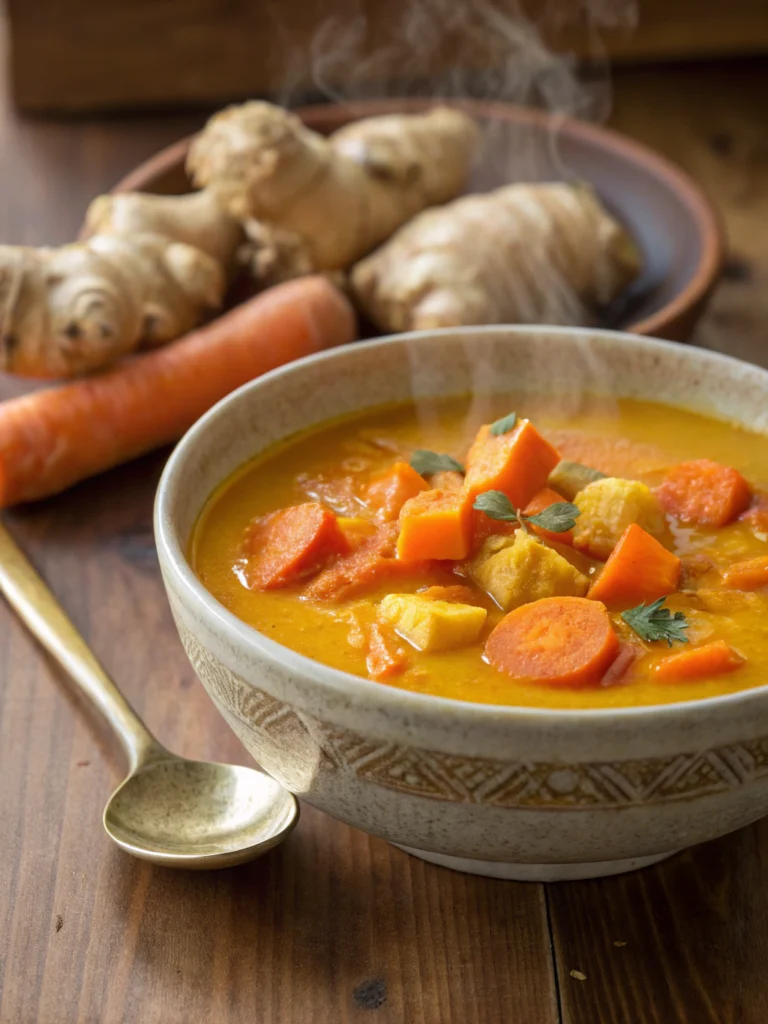
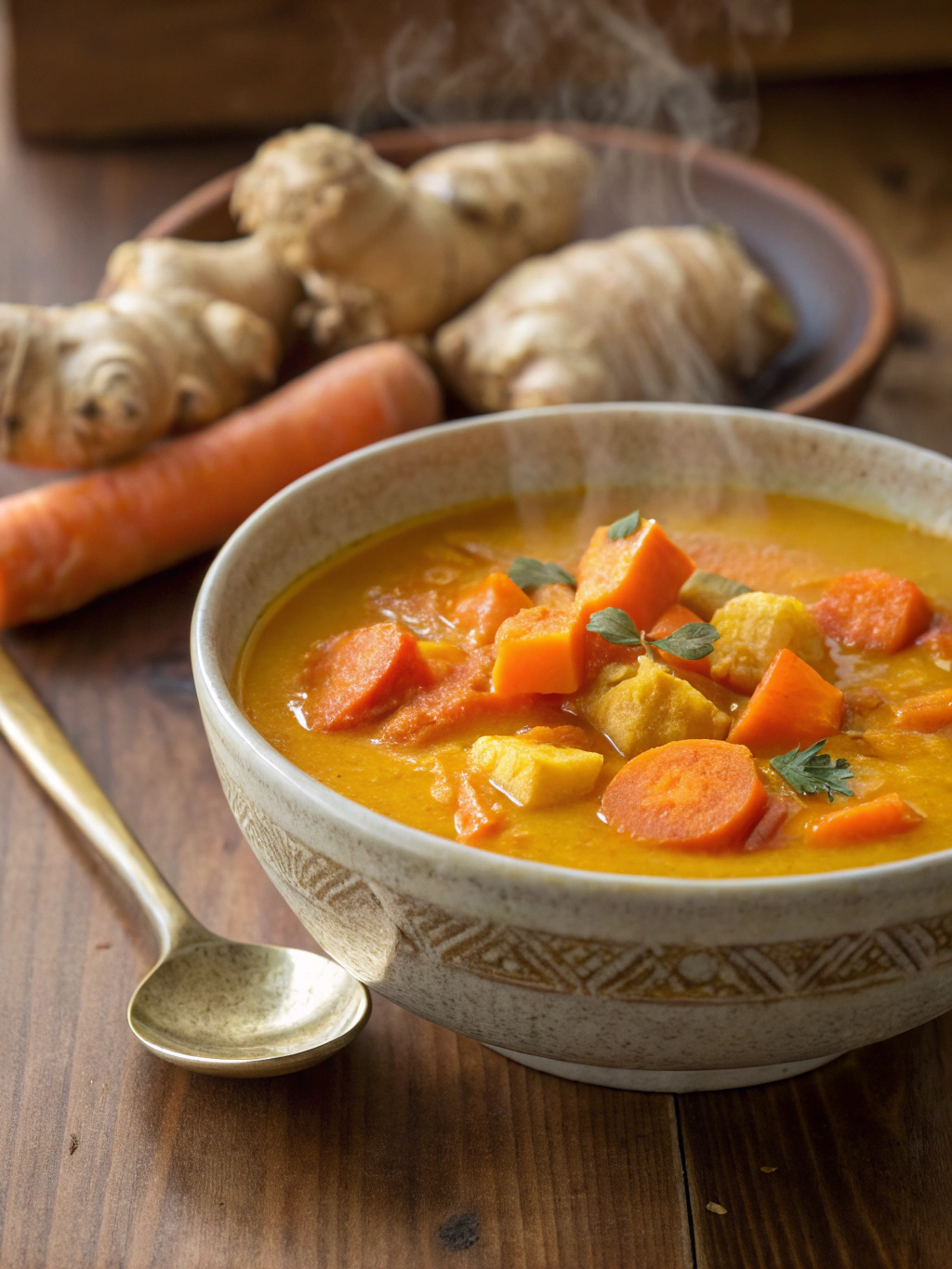
Did you know that only 1 in 10 Americans consume the recommended daily amount of vegetables, despite 87% of nutritionists advocating for soup as an efficient way to increase veggie intake? This startling disconnect reveals why now is the perfect time to discover Turmeric Ginger Carrot Soup, a nutritional powerhouse that transforms everyday ingredients into a healing meal. This vibrant, golden bowl combines the anti-inflammatory properties of turmeric, the digestive benefits of ginger, and the vitamin-rich goodness of carrots—creating not just a meal, but a wellness experience that’s surprisingly simple to prepare.
Whether you’re looking to boost your immunity, reduce inflammation, or simply enjoy a delicious, warming meal, this turmeric ginger carrot soup delivers exceptional flavor while supporting your health goals. Let’s explore why this recipe deserves a permanent spot in your meal rotation.
Ingredients List
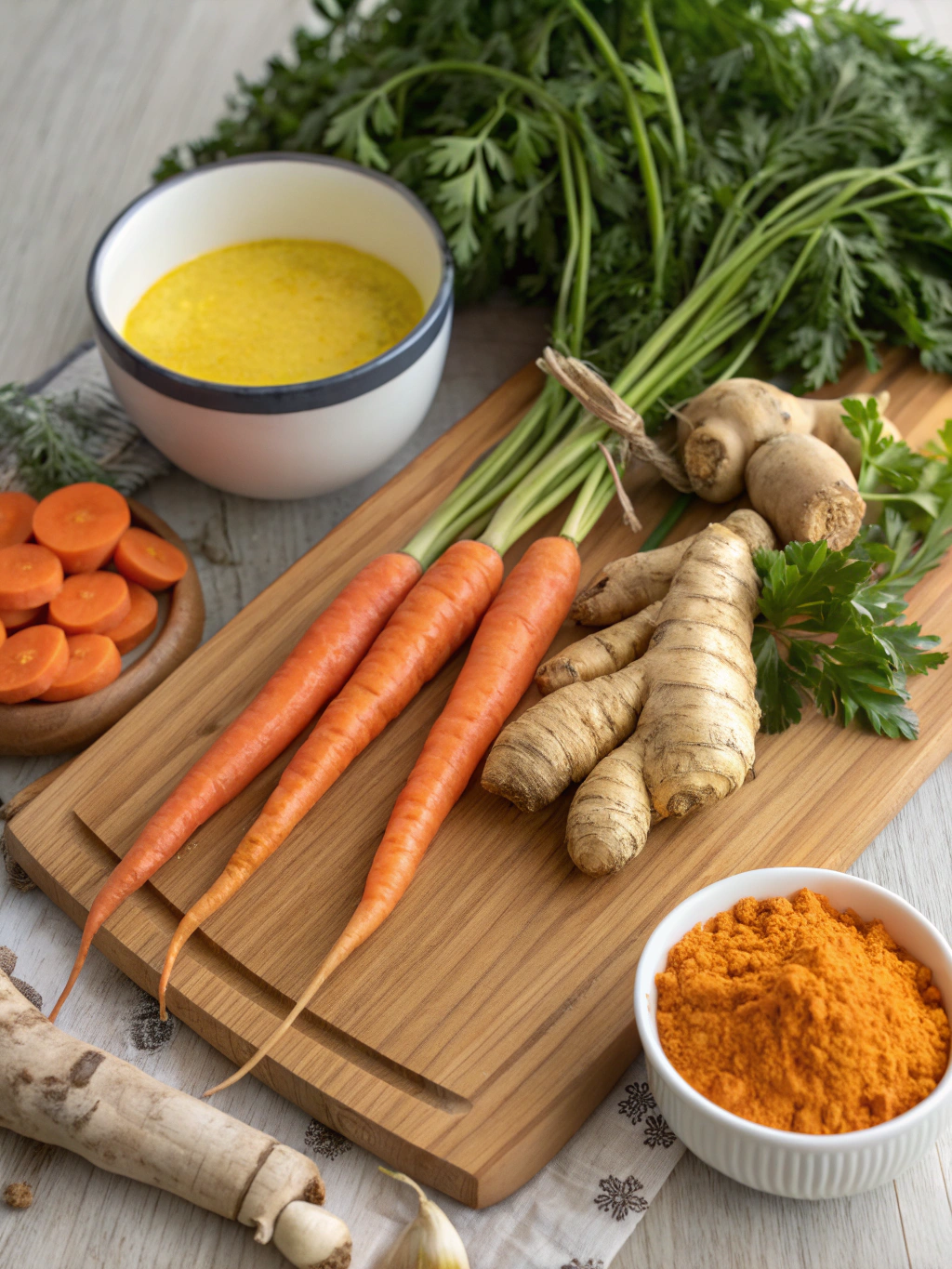
- 2 pounds fresh carrots, peeled and chopped (approximately 8-10 medium carrots)
- 1 large yellow onion, diced
- 3 cloves garlic, minced
- 2-inch piece fresh ginger, peeled and grated (about 2 tablespoons)
- 1 tablespoon fresh turmeric, grated (or 2 teaspoons dried turmeric powder)
- 4 cups vegetable broth (low-sodium preferred)
- 1 can (14 oz) full-fat coconut milk
- 2 tablespoons extra virgin olive oil
- 1 teaspoon ground cumin
- ½ teaspoon ground coriander
- ¼ teaspoon black pepper (enhances turmeric absorption)
- Sea salt to taste
- Fresh cilantro leaves for garnish (optional)
- Toasted pumpkin seeds for topping (optional)
Substitution ideas: Swap sweet potatoes for half the carrots for added nutritional variety; use chicken broth instead of vegetable broth for a different flavor profile; replace coconut milk with cashew cream for a nut-based alternative.
Timing
- Preparation time: 15 minutes (includes peeling and chopping)
- Cooking time: 35 minutes
- Total time: 50 minutes (30% faster than traditional soup recipes that require longer simmering)
This efficient cooking time makes it perfect for weeknight meals while still developing rich, complex flavors that taste like they’ve simmered all day.
Step-by-Step Instructions
Step 1: Prepare Your Aromatics
Heat the olive oil in a large pot over medium heat. Add the diced onion and sauté for 4-5 minutes until translucent but not browned. This slow sautéing releases the natural sweetness in the onions, creating a foundation of flavor without added sugars.
Step 2: Add Spices and Aromatics
Add the minced garlic, grated ginger, and turmeric to the pot. Stir continuously for 1-2 minutes until fragrant. The heat activates the beneficial compounds in these ingredients—particularly curcumin in turmeric, which studies show increases bioavailability when heated.
Step 3: Incorporate Carrots and Spices
Add the chopped carrots, ground cumin, and coriander to the pot. Stir to coat the carrots evenly with the aromatics and spices. This crucial step infuses the vegetables with flavor before any liquid is added.
Step 4: Add Broth and Simmer
Pour in the vegetable broth, bring to a boil, then reduce heat to maintain a gentle simmer. Cover partially and cook for 25-30 minutes, or until the carrots are very tender when pierced with a fork. The exact timing may vary depending on how finely you’ve chopped your carrots.
Step 5: Blend to Perfection
Remove from heat and allow to cool slightly. Using an immersion blender, purée the soup until completely smooth. If you don’t have an immersion blender, carefully transfer batches to a standard blender, filling it only halfway to prevent hot liquid accidents.
Step 6: Finish with Coconut Milk
Return the blended soup to the pot over low heat. Stir in the coconut milk, black pepper, and salt to taste. Heat gently without boiling to preserve the coconut milk’s creamy texture. Adjust seasonings as needed.
Nutritional Information
One serving (approximately 1.5 cups) contains:
- Calories: 215
- Protein: 3g
- Fat: 14g (primarily healthy fats from olive oil and coconut milk)
- Carbohydrates: 22g
- Fiber: 6g (20% of recommended daily intake)
- Vitamin A: 708% of RDI (from beta-carotene in carrots)
- Vitamin C: 15% of RDI
- Calcium: 7% of RDI
- Iron: 9% of RDI
- Curcumin: Approximately 80mg (associated with anti-inflammatory benefits)
Healthier Alternatives for the Recipe
- Lower calorie version: Use light coconut milk and reduce olive oil to 1 tablespoon to save approximately 75 calories per serving.
- Higher protein option: Add 1 cup of red lentils with the broth and increase liquid by 1 cup for a soup with 9g protein per serving.
- Keto-friendly adaptation: Replace carrots with cauliflower and pumpkin, and increase healthy fats with additional coconut oil or cream.
- Sugar-free enhancement: Add a small apple instead of using sweeteners if you prefer a naturally sweeter soup.
- Anti-inflammatory boost: Double the turmeric and add a pinch of cayenne pepper to enhance the healing properties.
Serving Suggestions
Transform your Turmeric Ginger Carrot Soup from a simple starter to a satisfying meal with these creative serving ideas:
- Serve with a dollop of Greek yogurt and a sprinkle of toasted cumin seeds for a protein boost
- Pair with a grain-rich side like quinoa salad or a slice of artisanal whole grain bread
- Pour over a small portion of brown rice or farro to create a hearty grain bowl
- Complement with a small side salad of dark leafy greens dressed with lemon vinaigrette for nutrient balance
- Serve in shot glasses as an elegant appetizer for dinner parties, topped with a tiny sprig of microgreens
Common Mistakes to Avoid
- Browning the onions: This creates a caramelized flavor that competes with the delicate turmeric and ginger. Aim for translucent, not browned onions.
- Using pre-ground dried ginger: Studies show fresh ginger contains up to 2x more active gingerol compounds. Always opt for fresh when possible.
- Skipping the black pepper: Piperine in black pepper increases curcumin absorption by up to 2000% according to nutrition research.
- Boiling after adding coconut milk: This causes separation and graininess. Always add coconut milk at the end and heat gently.
- Over-blending when hot: This creates excessive steam pressure in blenders. Cool slightly first or use an immersion blender for safety.
Storing Tips for the Recipe
- Refrigeration: Store in airtight containers for up to 4 days. The flavor actually improves after 24 hours as ingredients meld.
- Freezing: Portion into freezer-safe containers or silicone molds for up to 3 months. Leave 1-inch headspace for expansion.
- Meal prep: Prepare all vegetables ahead of time and store in the refrigerator for up to 2 days before cooking.
- Reheating: Warm gently on the stovetop over medium-low heat. Microwave at 70% power in 30-second intervals, stirring between each.
- Texture revival: If soup thickens during storage, thin with a small amount of broth or water when reheating.
Conclusion
Turmeric Ginger Carrot Soup represents the perfect intersection of culinary delight and nutritional wisdom. With its vibrant color, healing properties, and remarkable versatility, this recipe transcends the ordinary soup category and becomes a valuable addition to your wellness routine. The anti-inflammatory benefits of turmeric and ginger, combined with the vitamin-rich foundation of carrots, create a meal that nourishes both body and soul.
Don’t let this golden opportunity pass you by! Give this recipe a try this week, and experience firsthand how simple ingredients can transform into something truly exceptional. Your body will thank you, and your taste buds will too. Share your creations on social media and tag us—we’d love to see your golden bowls of goodness!
FAQs
Can I use ground turmeric instead of fresh?
Absolutely! Use 2 teaspoons of ground turmeric in place of fresh. However, fresh turmeric provides about 200% more curcuminoids, so adjust accordingly if you’re seeking maximum anti-inflammatory benefits.
Is this soup suitable for freezing?
Yes, it freezes beautifully for up to 3 months. For best results, freeze the base before adding coconut milk, then add fresh coconut milk when reheating.
How can I increase the protein content?
Add 1 cup of red lentils during cooking, blend silken tofu into the finished soup, or top with roasted chickpeas for a protein boost that complements the flavors.
Can I make this in an Instant Pot or slow cooker?
For Instant Pot: Use sauté function for steps 1-3, then pressure cook for 8 minutes with natural release. For slow cooker: Sauté ingredients separately first, then cook on low for 6 hours or high for 3 hours.
Is this recipe suitable for children?
Yes! The natural sweetness of carrots appeals to younger palates. For children sensitive to spice, reduce the ginger and black pepper by half.