
Introduction
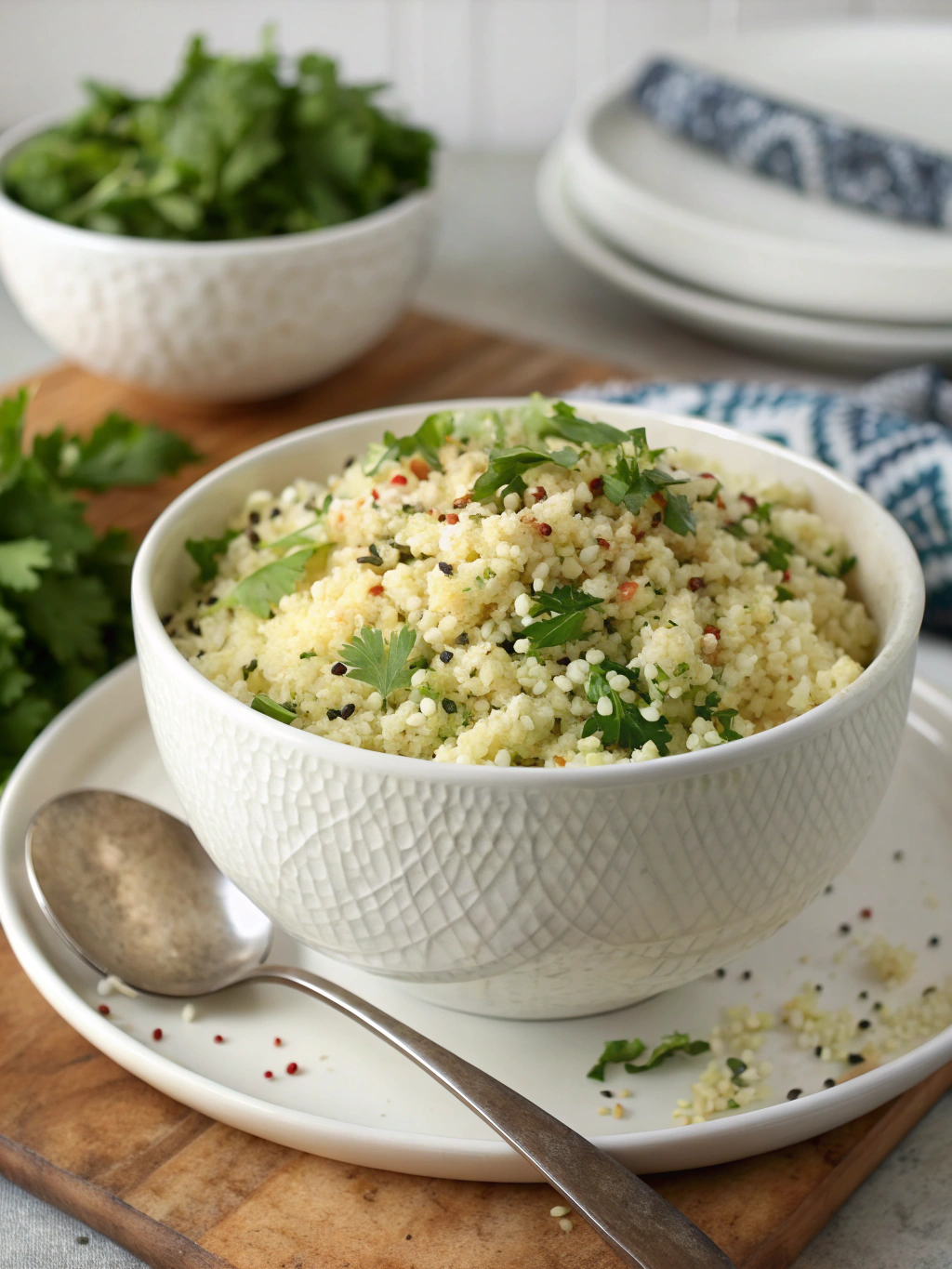
Did you know that 68% of Americans report wanting to eat healthier, but only 26% actually follow through because of taste concerns? This surprising gap exists because many believe healthy eating means sacrificing flavor. Enter the versatile Cauliflower Rice Bowl – a game-changer that delivers both nutrition and satisfaction. These innovative bowls transform humble cauliflower into delicious grain-free bases that support weight management, provide essential nutrients, and adapt to countless flavor profiles. Today, we’re sharing seven incredible Cauliflower rice bowl recipes that prove healthy eating can be delicious, convenient, and satisfying.
Ingredients List
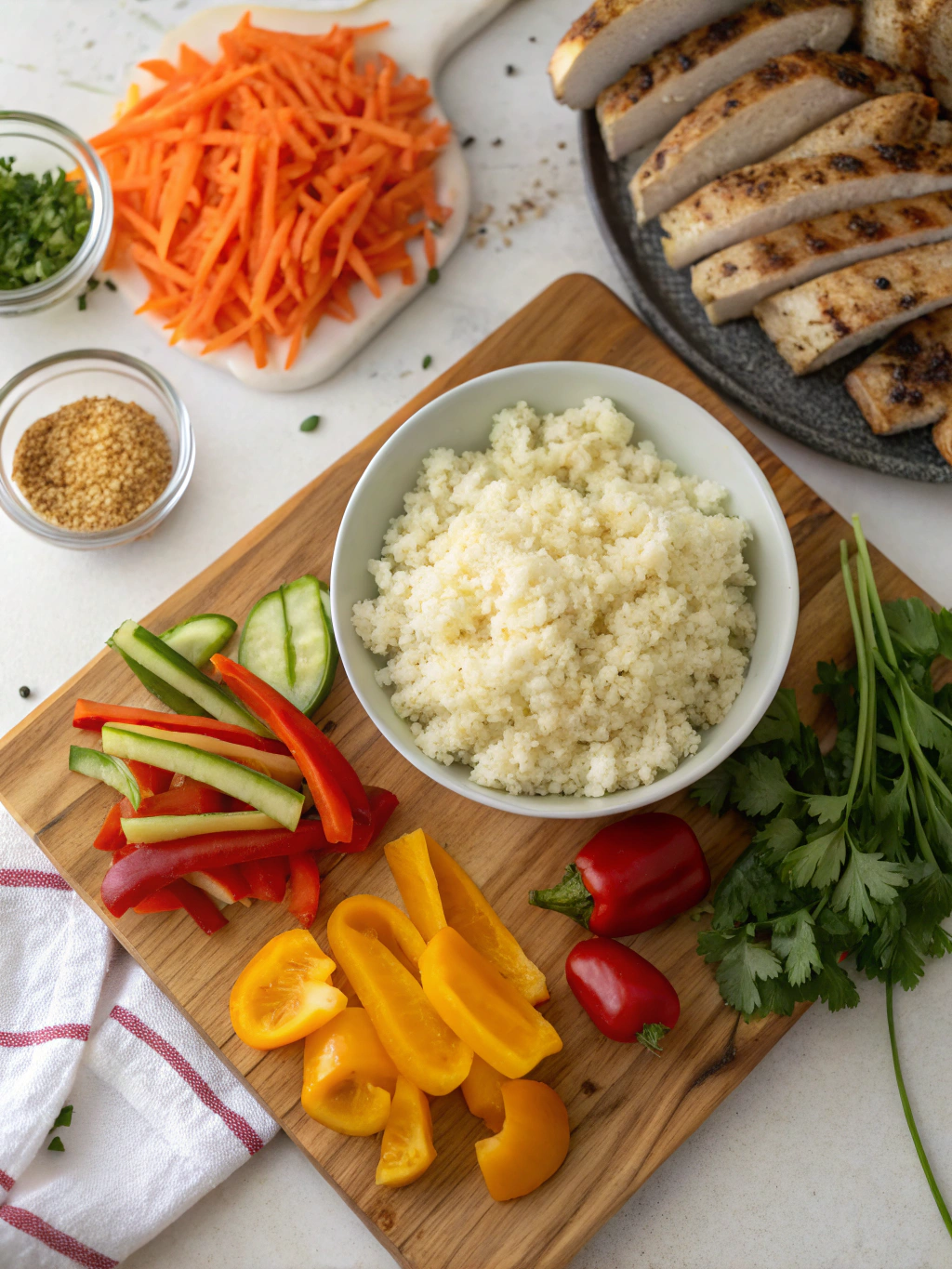
For the Cauliflower Rice Base:
- 1 medium head cauliflower (about 2 pounds), riced (or 4 cups pre-riced cauliflower)
- 2 tablespoons olive oil or avocado oil
- 2-3 cloves garlic, minced
- Salt and freshly ground pepper to taste
Protein Options (choose one):
- 2 cups cooked chickpeas or black beans
- 16 oz extra-firm tofu, pressed and cubed
- 1 pound boneless chicken breast, diced
- 1 pound shrimp, peeled and deveined
- 12 oz flank steak, thinly sliced
Vegetable Add-ins (mix and match):
- 1 bell pepper, diced
- 1 cup cherry tomatoes, halved
- 1 cup shredded carrots
- 1 avocado, sliced
- 2 cups baby spinach or kale
- 1 cucumber, diced
Flavor Boosters:
- Fresh herbs (cilantro, basil, mint, parsley)
- Lime or lemon wedges
- Toasted nuts or seeds
- Sliced green onions
- Hot sauce or sriracha
Substitution tip: No fresh cauliflower? Frozen riced cauliflower works perfectly! Can’t tolerate cauliflower? Try broccoli rice as an equally nutritious alternative.
Timing
Preparation time: 15 minutes (just 10 minutes if using pre-riced cauliflower)
Cooking time: 15-20 minutes
Total time: 30-35 minutes
These Cauliflower Rice Bowl recipes can be prepared 25% faster than traditional grain bowls, which typically require 45+ minutes due to lengthy rice cooking times. Even better, meal prep these components on Sunday, and weeknight dinners assemble in under 10 minutes!
Step-by-Step Instructions
Step 1: Prepare the Cauliflower Rice
- If using a whole cauliflower, remove the outer leaves and cut into florets.
- Pulse the florets in a food processor until they reach a rice-like consistency (don’t overprocess).
- Alternatively, grate the cauliflower using the large holes of a box grater.
- Heat the oil in a large skillet over medium heat.
- Add the minced garlic and sauté for 30 seconds until fragrant.
- Add the cauliflower rice, season with salt and pepper.
- Cook for 5-7 minutes, stirring occasionally, until tender but not mushy.
Pro tip: For extra flavor, add 1 teaspoon of cumin, turmeric, or your favorite spice blend to the cauliflower while cooking.
Step 2: Prepare Your Protein
- Choose your protein and season according to your preferred bowl style.
- For tofu/tempeh: Press, cube, and sauté in 1 tablespoon oil until golden brown (about 8 minutes).
- For chicken: Season with salt, pepper, and preferred spices. Cook in 1 tablespoon oil for 6-8 minutes until no longer pink.
- For beans: Rinse, drain, and warm with desired seasonings.
- For shrimp: Season and sauté for 2-3 minutes per side until pink and opaque.
- For steak: Marinate for best results, then sear 2-3 minutes per side for medium-rare.
Success secret: Marinate proteins at least 15 minutes before cooking to maximize flavor absorption.
Step 3: Prepare Vegetables and Toppings
- Wash and chop all vegetables to similar sizes for even eating.
- For roasted vegetables: Toss with olive oil, salt, and pepper, then roast at 425°F for 15-20 minutes.
- For raw vegetables: Arrange attractively on top of your bowl.
- Prepare any sauces or dressings in small bowls.
Quick hack: Use a mandoline slicer for ultra-thin, restaurant-quality vegetable slices in seconds.
Step 4: Assemble Your Bowl
- Start with a base of cauliflower rice (approximately 1 cup per serving).
- Arrange your protein on one section of the bowl (about 4-6 oz per serving).
- Add your colorful vegetables in separate sections for visual appeal.
- Top with your chosen garnishes like herbs, nuts, or seeds.
- Drizzle with sauce or dressing just before serving.
Presentation tip: Follow the « rainbow method » by arranging ingredients by color for Instagram-worthy bowls that are as beautiful as they are nutritious.
Nutritional Information
A standard Cauliflower Rice Bowl provides:
- Calories: 350-450 (depending on protein choice and toppings)
- Protein: 20-30g
- Carbohydrates: 20-30g (vs. 45-60g in traditional rice bowls)
- Fiber: 8-12g (meeting 30-40% of daily needs)
- Fat: 15-20g (primarily healthy fats from avocado, olive oil, etc.)
- Vitamin C: 150% DV (primarily from cauliflower)
- Vitamin A: 80-100% DV (from colorful vegetables)
- Iron: 15-20% DV
Studies show cauliflower rice contains 75% fewer carbohydrates than white rice while providing 3x more fiber, making these bowls excellent for blood sugar management.
Healthier Alternatives for the Recipe
Lower-Calorie Options:
- Use spray oil instead of liquid oil to save 60-80 calories per serving
- Choose lean proteins like chicken breast or shrimp
- Use lemon juice and herbs instead of oil-based dressings
Keto-Friendly Adaptation:
- Increase healthy fats with extra avocado, nuts, and olive oil
- Limit high-carb vegetables like carrots and tomatoes
- Focus on higher-fat proteins like salmon or beef
Vegan Protein Boosters:
- Add nutritional yeast (2 tablespoons adds 9g protein plus B vitamins)
- Include hemp seeds (3 tablespoons provide 10g complete protein)
- Mix in edamame for an additional protein source (1/2 cup adds 8g protein)
Serving Suggestions
7 Themed Cauliflower rice bowl recipes:
Mediterranean Bowl: Top with cucumber, cherry tomatoes, Kalamata olives, feta cheese, chickpeas, and tzatziki sauce.
Mexican Fiesta Bowl: Add black beans, corn, avocado, pico de gallo, lime wedges, and a sprinkle of cumin in the cauliflower rice.
Asian-Inspired Bowl: Include edamame, shredded carrots, sliced radishes, green onions, and sesame-ginger dressing.
Curry Bowl: Mix turmeric and curry powder into the cauliflower rice, then top with chickpeas, spinach, roasted sweet potatoes, and cashews.
Breakfast Bowl: Add a poached egg, avocado slices, sautéed greens, and a drizzle of hot sauce.
Buffalo Chicken Bowl: Top with spicy buffalo chicken, celery, carrots, blue cheese crumbles, and ranch drizzle.
Poke-Style Bowl: Feature sushi-grade salmon or tuna, avocado, cucumber, seaweed salad, and a sesame-soy dressing.
Perfect pairings: Serve with sparkling water with citrus, kombucha, or an antioxidant-rich herbal tea to complement the fresh flavors.
Common Mistakes to Avoid
Overprocessing the cauliflower: Process in short pulses to avoid mushy rice. Stop when the pieces resemble rice grains.
Overcooking the cauliflower rice: It needs just 5-7 minutes. Cooking too long releases excess moisture and creates a soggy texture.
Under-seasoning: Cauliflower rice needs proper seasoning. Don’t be shy with herbs, spices, and aromatics.
Skipping the drying step: After ricing, pat cauliflower with paper towels or a clean kitchen towel to remove excess moisture.
Using too much liquid: Cauliflower naturally releases water during cooking, so use less liquid than you would with regular rice.
Not prepping components separately: Cook proteins and vegetables separately to control doneness and prevent flavors from becoming muddled.
Storing Tips for the Recipe
Meal prep strategy: Prepare components separately and store in individual containers for up to 4 days.
Prevent sogginess: Store sauces and dressings separately until ready to eat.
Freezing cauliflower rice: Raw cauliflower rice freezes well for up to 3 months in airtight containers. No need to thaw before cooking!
Reviving leftovers: Add a splash of water when reheating cauliflower rice to restore moisture. A squeeze of lemon or lime brightens flavors.
Batch cooking efficiency: Make double batches of proteins and freeze for future bowls – most will last 2-3 months frozen.
Conclusion
These seven Cauliflower Rice Bowl variations demonstrate just how versatile, satisfying, and nutritious grain-free eating can be. By swapping traditional rice for cauliflower, you’re not just cutting calories and carbs – you’re significantly increasing your vegetable intake and essential nutrients. The beauty of these bowls lies in their endless adaptability to your tastes, dietary needs, and what’s available in your kitchen. Whether you’re following a specific eating plan or simply looking to incorporate more vegetables into your diet, Cauliflower rice bowl recipes deliver convenience without compromising on flavor.
Ready to transform your meals? Start with the basic cauliflower rice technique, then experiment with different proteins, vegetables, and global flavor profiles. Share your creations on social media with #CauliflowerRiceBowl and let us know which variation becomes your favorite!
FAQs
Q: Can I make cauliflower rice without a food processor?
A: Absolutely! Use a box grater with the medium-sized holes. It takes slightly longer but works perfectly.
Q: Why is my cauliflower rice soggy?
A: This typically happens from overcooking or not removing excess moisture. Try patting the riced cauliflower with paper towels before cooking and using higher heat for a shorter time.
Q: How can I make cauliflower rice taste better?
A: The key is proper seasoning! Sauté with garlic and herbs, add a small amount of butter for richness, or cook it in vegetable or chicken broth instead of water.
Q: Is frozen cauliflower rice just as good as fresh?
A: Yes, frozen works great and is a time-saver. Just cook it directly from frozen, and you might need to extend the cooking time by 2-3 minutes.
Q: How can I get my kids to eat cauliflower rice?
A: Try the « blend » method – mix 50% cauliflower rice with 50% regular rice initially, then gradually increase the cauliflower ratio. Also, familiar flavorings like taco seasoning or mild curry can help mask the cauliflower taste.
Q: Are cauliflower rice bowls good for weight loss?
A: They can be excellent for weight management because they’re lower in calories and carbohydrates than traditional grain bowls while being high in fiber, which promotes satiety.
Q: How much cauliflower rice equals one serving?
A: Approximately 1 cup of cauliflower rice equals one serving, which contains about 25 calories compared to 200+ calories in a cup of cooked white rice.