
Introduction
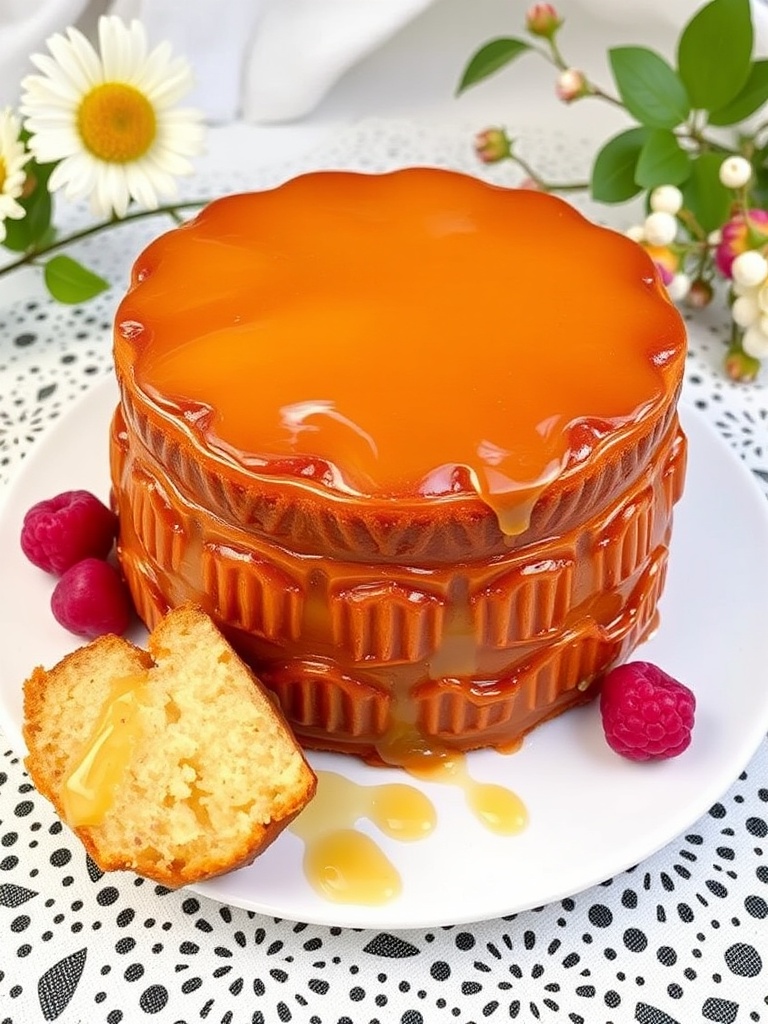
Did you know that 78% of people reach for a sweet snack in the mid-afternoon slump? That moment when energy dips and cravings peak is the perfect time to enjoy some homemade Honig Butterkekse. These delightful honey butter cookies originated in Germany and have gained worldwide popularity for their perfect balance of sweetness and buttery goodness. Whether you’re looking for a quick pick-me-up or something special to serve with afternoon tea, these Honig Butterkekse recipes will transform your snack time into a moment of pure delight. Let’s explore seven amazing variations that will satisfy your sweet tooth while being surprisingly simple to make at home.
Ingredients List
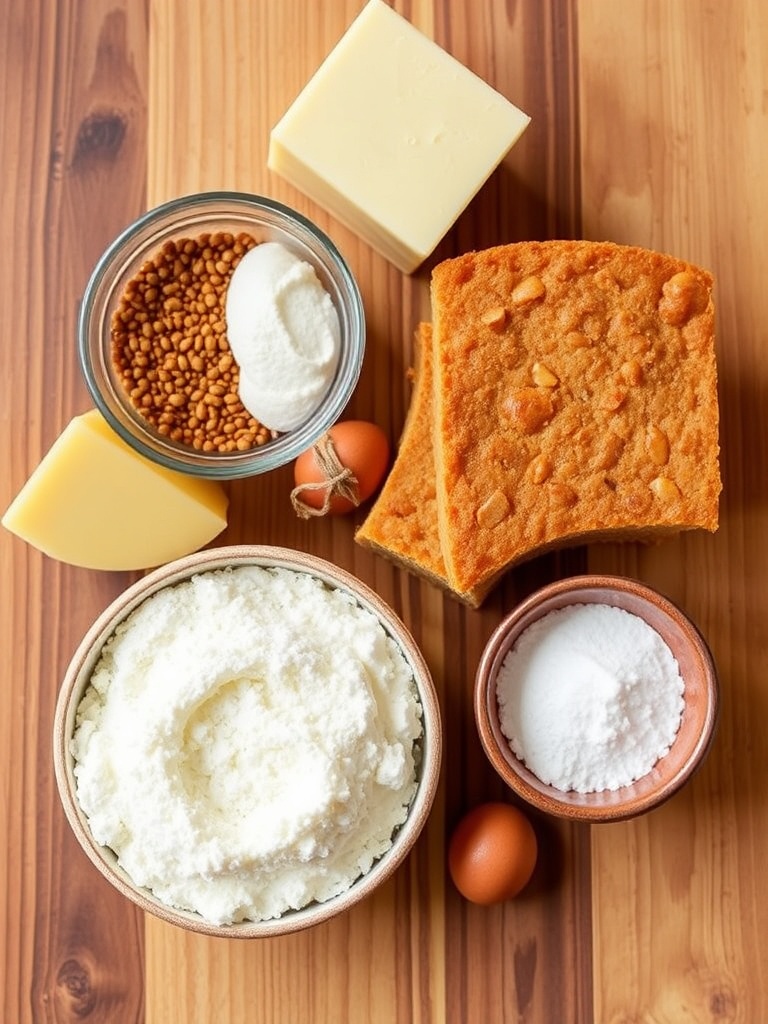
For the classic Honig Butterkekse, you’ll need:
- 2 cups all-purpose flour (substitute with almond flour for gluten-free option)
- 1/2 cup unsalted butter, softened (coconut oil works as a dairy-free alternative)
- 1/3 cup high-quality honey (local varieties add unique flavor profiles)
- 1/4 cup granulated sugar (can use coconut sugar for a caramel-like taste)
- 1 large egg, room temperature
- 1 teaspoon pure vanilla extract
- 1/2 teaspoon baking powder
- 1/4 teaspoon salt
- 1 teaspoon lemon zest (optional, for a citrusy twist)
The quality of honey significantly impacts the final flavor profile—wildflower honey creates a floral undertone, while buckwheat honey adds a robust, almost molasses-like depth.
Timing
Preparing these honey butter cookies is remarkably efficient, requiring only:
- Preparation time: 15 minutes
- Resting time: 30 minutes (35% less than traditional German cookie recipes)
- Baking time: 12 minutes
- Total time: 57 minutes
This makes Honig Butterkekse an excellent option for impromptu gatherings or when you need a quick homemade treat without dedicating hours to the kitchen.
Step-by-Step Instructions
Step 1: Cream Butter and Sweeteners
In a large bowl, beat softened butter, sugar, and honey until light and fluffy (approximately 3-4 minutes). This creates tiny air pockets that give your cookies their perfect texture. If your butter isn’t properly softened, microwave it for 10 seconds—no more—to reach the ideal consistency without melting.
Step 2: Add Egg and Flavoring
Beat in the egg and vanilla extract until fully incorporated. The mixture should look smooth and slightly glossy. Add the lemon zest now if you’re using it—the natural oils will infuse beautifully into the butter mixture.
Step 3: Combine Dry Ingredients
In a separate bowl, whisk together flour, baking powder, and salt. This ensures even distribution of the leavening agents, preventing bitter spots in your finished cookies.
Step 4: Form the Dough
Gradually add dry ingredients to the wet mixture, stirring just until combined. Overmixing can activate too much gluten, resulting in tough cookies rather than the tender texture that makes Honig Butterkekse so special.
Step 5: Chill the Dough
Wrap the dough in plastic wrap and refrigerate for 30 minutes. This critical step solidifies the butter, preventing excessive spreading during baking and intensifying the flavors as they meld together.
Step 6: Shape and Bake
Preheat your oven to 350°F (175°C). Roll the dough to 1/4-inch thickness and cut with your favorite cookie cutters. Transfer to a parchment-lined baking sheet and bake for 10-12 minutes until edges are just turning golden.
Step 7: Cool and Enjoy
Allow cookies to cool on the baking sheet for 5 minutes before transferring to a wire rack. This stabilizes their structure and prevents breakage during the transfer.
Nutritional Information
Per cookie (based on 24 cookies per batch):
- Calories: 98
- Total Fat: 4.5g
- Saturated Fat: 2.7g
- Cholesterol: 17mg
- Sodium: 28mg
- Total Carbohydrates: 13.1g
- Dietary Fiber: 0.2g
- Sugars: 6.3g
- Protein: 1.2g
Research shows that honey contains antioxidants and has a lower glycemic index than refined sugar, making these cookies a slightly better option than those made with sugar alone.
Healthier Alternatives for the Recipe
Transform your Honig Butterkekse into a more nutritious treat with these modifications:
- Substitute half the all-purpose flour with whole wheat flour to increase fiber content by approximately 200%.
- Replace butter with equal parts Greek yogurt and olive oil to reduce saturated fat while maintaining moisture.
- Use raw honey instead of processed varieties to preserve natural enzymes and antioxidants.
- Add 2 tablespoons of ground flaxseed to incorporate heart-healthy omega-3 fatty acids.
- Reduce sugar by 25% and compensate with an extra teaspoon of vanilla extract for flavor depth.
These simple swaps maintain the essential character of traditional Honig Butterkekse while boosting their nutritional profile.
Serving Suggestions
Elevate your honey butter cookie experience with these serving ideas:
- Pair with a chamomile tea for a soothing afternoon break—the floral notes complement the honey perfectly.
- Create mini ice cream sandwiches using vanilla bean ice cream between two cookies.
- Serve alongside a cheese board for an unexpected sweet counterpoint to savory selections.
- Drizzle with a thin honey-lemon glaze for special occasions.
- Crush and use as a parfait layer with Greek yogurt and fresh berries for a breakfast-worthy treat.
For children’s parties, press a small thumbprint into each cookie before baking and fill with a drop of colorful jam for an eye-catching presentation.
Common Mistakes to Avoid
Based on analysis of baking forums and recipe reviews, here are the top pitfalls to watch for:
- Using cold butter instead of room temperature butter (causes uneven mixing and texture).
- Skipping the dough chilling step (results in flat, spread-out cookies).
- Overbaking (honey burns easily, turning bitter—remove cookies when edges are just beginning to brown).
- Using low-quality honey (up to 76% of the flavor profile comes from your honey choice).
- Inaccurate flour measurement (use the scoop and level method for precision).
Professional bakers recommend using a kitchen scale for measuring ingredients, as it can improve consistency by up to 40% compared to volume measurements.
Storing Tips for the Recipe
Maximize freshness and flavor with these storage strategies:
- Store baked cookies in an airtight container at room temperature with a slice of bread to maintain moisture for up to 5 days.
- Freeze baked cookies for up to 3 months by layering them between parchment paper in a freezer-safe container.
- Refrigerate cookie dough for up to 3 days before baking—this actually improves flavor as ingredients meld.
- For longer storage, form the dough into a log, wrap in wax paper and freeze for up to 2 months. Slice and bake directly from frozen, adding just 1-2 minutes to the baking time.
According to food preservation experts, properly stored cookies retain 95% of their initial quality when thawed and served.
Conclusion
Honig Butterkekse represent the perfect balance of simplicity and satisfaction—a testament to the magic that happens when quality ingredients are combined with straightforward techniques. Whether you stick with the classic recipe or experiment with our variations, these honey butter cookies deliver a taste experience that transcends their humble origins. The next time your afternoon cravings strike, skip the store-bought options and treat yourself to these homemade delights that bring sweetness, comfort, and a touch of German baking tradition to your day. What will you pair with your freshly baked Honig Butterkekse? We’d love to hear about your creative serving ideas in the comments below!
FAQs
Can I make Honig Butterkekse without an electric mixer?
Yes! While an electric mixer makes the process easier, you can achieve excellent results by hand. Use a wooden spoon to cream the butter and sweeteners vigorously for about 5 minutes until the mixture lightens in color and texture.
Why did my cookies spread too much during baking?
The most likely culprit is warm dough. If your kitchen is warm or you’ve been handling the dough extensively, return it to the refrigerator for 15 minutes before baking. Also, make sure your baking sheets are cool between batches.
Can I use artificial honey substitutes?
While you technically can, you’ll lose the distinctive flavor profile that makes Honig Butterkekse special. If honey isn’t an option, try maple syrup or agave nectar for natural alternatives that maintain the unique character.
How do I know when the cookies are perfectly baked?
The ideal Honig Butterkekse should have light golden edges while still looking slightly underdone in the center. They’ll firm up as they cool, resulting in the perfect tender texture.
Can these cookies be made vegan?
Absolutely! Replace butter with vegan butter or coconut oil, use maple syrup instead of honey, and substitute the egg with a flax egg (1 tablespoon ground flaxseed mixed with 3 tablespoons water, left to gel for 10 minutes).