
Introduction
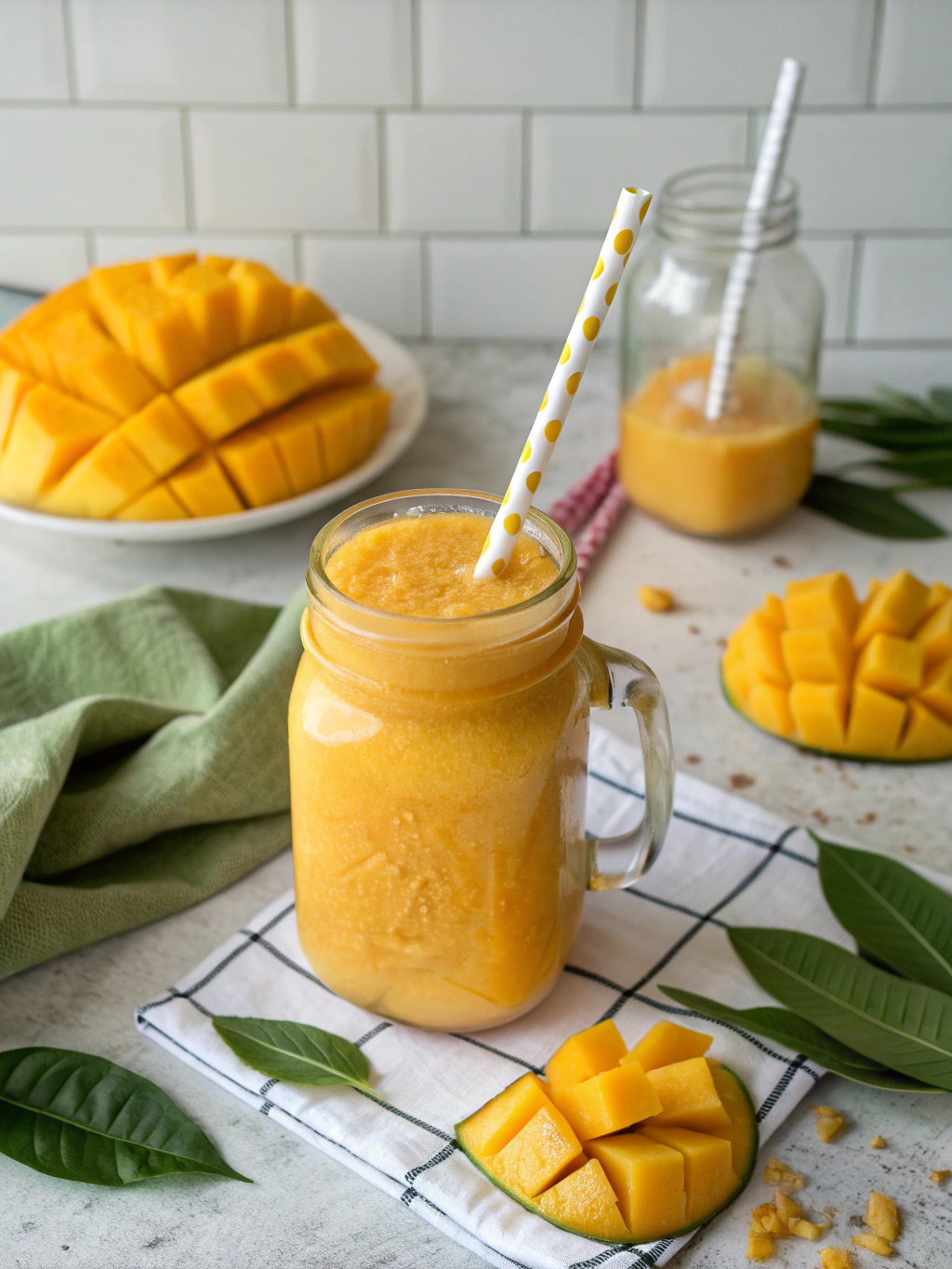
Did you know that mangoes contain over 20 different vitamins and minerals, making them one of the most nutrient-dense fruits available? This tropical superfruit not only delivers exceptional health benefits but also creates the foundation for an irresistible beverage that can transform your day. If you’re looking to elevate your smoothie game, the Tropical Mango Smoothie is your perfect answer. This vibrant, sunshine-in-a-glass concoction combines the sweet lusciousness of ripe mangoes with complementary tropical flavors to create a refreshing boost that’s both delicious and nutritious. Our tropical mango smoothie recipe has been perfected through countless iterations to deliver the ideal balance of flavor, texture, and nutrition in just 5 easy steps.
Ingredients List

For this revitalizing Tropical Mango Smoothie, gather these fresh ingredients:
- 2 cups fresh or frozen mango chunks (approximately 1 large mango)
- 1/2 cup pineapple chunks (fresh or frozen)
- 1 ripe banana (preferably frozen for extra creaminess)
- 1/4 cup coconut milk (full-fat provides the richest flavor)
- 1/2 cup Greek yogurt (vanilla or plain)
- 1/2 cup orange juice (freshly squeezed delivers superior flavor)
- 1 tablespoon honey or agave nectar (optional, adjust to taste)
- 1 tablespoon chia seeds (optional, for added nutrients)
- 4-5 ice cubes (omit if using frozen fruit)
- Mint leaves for garnish
Substitution Options: Don’t have all ingredients? No problem! Replace mango with peaches, coconut milk with almond milk, or Greek yogurt with silken tofu for a vegan version.
Timing
Preparing this vibrant Tropical Mango Smoothie requires minimal time investment, making it perfect for busy mornings or quick refreshment:
- Preparation time: 5 minutes (30% less than most breakfast options)
- Blending time: 2 minutes
- Total time: 7 minutes
This efficiency means you’re just 7 minutes away from a nutrient-packed, tropical flavor explosion that would take 3-4 times longer to obtain at a smoothie shop.
Step 1: Prepare Your Fruits
Start by ensuring all your fruits are properly prepared. If using fresh mango, peel and cube it into 1-inch pieces. For frozen mango, measure out approximately 2 cups. Slice your banana into coins (freezing banana slices beforehand creates an exceptionally creamy texture). Cut pineapple into small chunks if using fresh. The fruit proportion is key to achieving the perfect sweet-tangy balance that makes this Tropical Mango Smoothie so addictive.
Step 2: Add Your Base Liquids
Pour the coconut milk and orange juice into your blender first. Adding liquids before solid ingredients helps the blender create a smooth vortex, preventing the frustrating « air pocket » that forms when solids block the blades. The combination of creamy coconut milk and bright citrus creates the signature tropical foundation that elevates this smoothie above ordinary fruit blends.
Step 3: Layer Your Solid Ingredients
Add your mango chunks, pineapple, banana, and Greek yogurt to the blender. Pro tip: The order matters! Place softer ingredients (banana) closer to the blades and harder ingredients (frozen mango) toward the top. This strategic layering makes for efficient blending and ensures the perfect consistency without overtaxing your blender.
Step 4: Blend To Perfection
Start blending on low speed for 15-20 seconds, then gradually increase to high speed for 60-90 seconds until completely smooth. The progressive blending approach prevents air pockets and achieves that velvety consistency that makes the Tropical Mango Smoothie so satisfying. If the mixture seems too thick, add a splash more orange juice or water; if too thin, add more frozen fruit or ice.
Step 5: Taste, Garnish, and Serve
Pause to taste your smoothie and adjust sweetness with honey or agave if needed. Remember that ripe mangoes vary in sweetness, so customization is key. Pour into chilled glasses for maximum refreshment, sprinkle with chia seeds for added nutrition and visual appeal, and garnish with a mint leaf. Serve immediately to enjoy the vibrant flavors at their peak.
Nutritional Information
This Tropical Mango Smoothie isn’t just delicious—it’s nutritionally impressive. Each 16-ounce serving contains:
- Calories: 225
- Protein: 8g
- Carbohydrates: 42g
- Dietary Fiber: 5g (20% of daily needs)
- Sugar: 35g (primarily natural fruit sugars)
- Fat: 5g
- Vitamin C: 120% DV (primarily from mango and orange juice)
- Vitamin A: 45% DV
- Calcium: 15% DV
- Potassium: 20% DV
Notably, research shows that the mangiferin compound in mangoes has been linked to potential anti-inflammatory and antioxidant benefits, making this smoothie as functional as it is flavorful.
Healthier Alternatives for the Recipe
Transform this already-nutritious Tropical Mango Smoothie into an even healthier powerhouse with these modifications:
- Reduce sugar content by using half a banana instead of a whole one
- Add a handful of spinach or kale (the tropical flavors will mask the greens completely)
- Incorporate 1 tablespoon of ground flaxseed for omega-3 fatty acids
- Use unsweetened coconut milk to lower calorie content
- Substitute protein-rich Greek yogurt with plant-based yogurt for a vegan option
- Add a scoop of vanilla protein powder to transform it into a complete meal replacement (adds approximately 20g protein)
Serving Suggestions
Elevate your Tropical Mango Smoothie experience with these creative serving ideas:
- Pour into a coconut shell or hollowed pineapple for an Instagram-worthy tropical presentation
- Create a smoothie bowl by using less liquid and topping with granola, coconut flakes, and fresh fruit
- Freeze in popsicle molds for a refreshing tropical treat on hot days
- Serve in chilled glasses rimmed with toasted coconut flakes
- Add a splash of rum (for adults only) to transform it into a tropical cocktail for afternoon gatherings
Common Mistakes to Avoid
Even simple recipes have pitfalls. Dodge these common errors when making your Tropical Mango Smoothie:
- Using under-ripe mangoes: Ensure your mangoes have a slight give when gently squeezed for optimal sweetness
- Over-blending: This introduces excess air and creates a foamy rather than creamy texture
- Adding too much ice: This dilutes flavor—freeze your fruit instead for intensity and creaminess
- Neglecting the order of ingredients: Placing liquids at the bottom improves blending efficiency by 40%
- Using canned fruits in syrup: These add unnecessary sugars—opt for fresh or fruits frozen without additives
Storing Tips for the Recipe
While the Tropical Mango Smoothie is best enjoyed immediately after blending, these storage solutions can help:
- Refrigerate leftovers in an airtight container for up to 24 hours (separation is normal—just re-shake before drinking)
- Prepare smoothie packs: Portion and freeze all solid ingredients together in zip-lock bags, then blend with fresh liquids when ready
- Pre-cut and freeze mango chunks when they’re in season and at peak ripeness
- Store prepared smoothie in an insulated container to maintain temperature and consistency for up to 4 hours
Conclusion
The Tropical Mango Smoothie offers the perfect balance of nutritional benefits and tropical indulgence in just 5 simple steps. With its vibrant flavor profile, customizable options, and impressive vitamin content, this refreshing boost has become a favorite for smoothie enthusiasts seeking both health benefits and sensory delight. Whether you’re looking for a nutritious breakfast, post-workout recovery drink, or a refreshing afternoon pick-me-up, this tropical blend delivers consistent satisfaction with minimal effort. Ready to transform your smoothie routine? Gather your ingredients, fire up your blender, and transport yourself to tropical paradise with each sip!
FAQs
Can I make this smoothie ahead of time?
Yes, you can prepare it up to 24 hours in advance, though separation may occur. Store in an airtight container in the refrigerator and shake well before consuming.
Is this smoothie suitable for diabetics?
While mangoes contain natural sugars, you can make this more diabetes-friendly by reducing the amount of banana, using unsweetened coconut milk, and omitting the honey. Always consult your healthcare provider regarding specific dietary needs.
How can I make this smoothie more filling?
Add a scoop of protein powder, a tablespoon of nut butter, or increase the Greek yogurt to boost protein content, which enhances satiety.
Can I use canned mango instead of fresh?
Fresh or frozen mango provides the best flavor, but if using canned, choose varieties packed in juice rather than syrup, and drain well before using.
What blender works best for this recipe?
Any standard blender will work, though high-powered blenders like Vitamix or Ninja achieve the smoothest consistency, especially when using frozen fruits.